Home
/
Dog Breeds
/
Nova Scotia Duck Tolling Retriever
Nova Scotia Duck Tolling Retriever
Origin
Canada
Size
Medium Breed
Ideal Space
Independent House
Ideal Weather
10º-25ºC
Life Expectancy
12-14 years
Cost of buying
₹ 40,000 - ₹ 1,00,000
Top 5 Traits
Athletic
Energetic
Intelligent
Loyal
Playful
Avg Monthly Expenses
₹ 4,650 - ₹ 6,600


by Happy Pet TeamUpdated on 30 Aug 2025
Meet the Nova Scotia Duck Tolling Retriever: Canada’s Spirited Little Swimmer
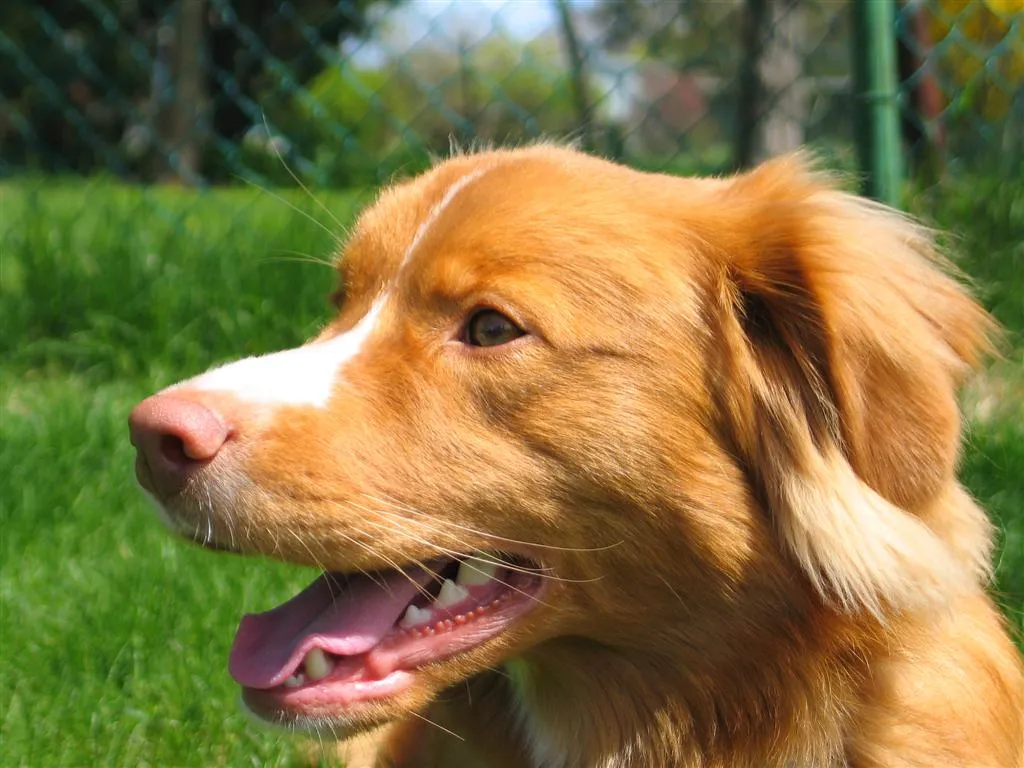
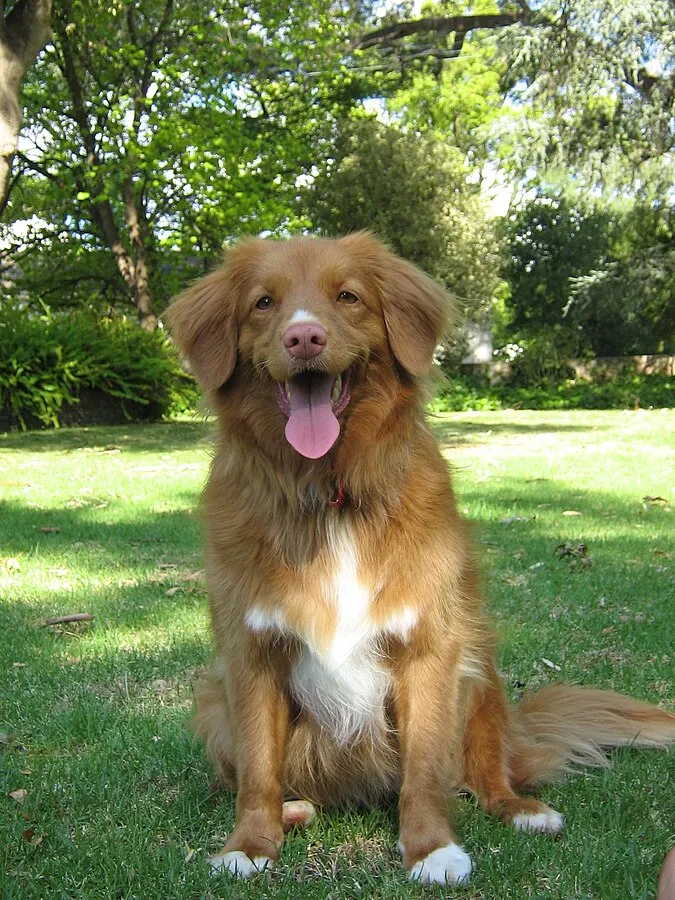
If you’ve always admired retrievers like the Labrador but wanted something a little smaller and more unique, the Nova Scotia Duck Tolling Retriever—better known as the Toller—might be the one. Bred in Nova Scotia in the 1800s, they were designed to “toll” or lure ducks close to hunters and then retrieve them from icy waters. With their golden-red, foxlike coats and boundless energy, they’re eye-catching, hardworking, and affectionate all at once. The American Kennel Club (AKC) describes them as intelligent, alert, and loving dogs who thrive in active families.
In India, Tollers are still quite rare, but they’re slowly gaining recognition among pet parents looking for a retriever that’s not as large as a Labrador yet still full of energy and personality. Their waterproof double coat is fantastic for outdoor adventures, though it does mean you’ll need to take extra steps to help them stay comfortable in our hot summers.
How Long Do Nova Scotia Duck Tolling Retrievers Live?
Tollers are generally healthy, with a lifespan of 12–14 years.
Temperament & Personality
Think of the Toller as the retriever’s cheeky younger sibling, full of energy but not overwhelming. The Spruce Pets describes them as affectionate, highly intelligent, and eager to please, but also independent thinkers who need consistent training. They adore their families and are usually wonderful with children when socialized early, though supervision is always recommended with toddlers given the Toller’s boisterous play style.
One unique trait is their famous “Toller scream,” a high-pitched sound they make when excited. It’s not constant barking, Tollers are quieter than many small breeds, but in Indian apartments, pet parents should be prepared for occasional bursts of excitement.
Their playful nature makes them quick learners in training sessions, especially if you use reward-based methods like treats, toys, or games. They’re natural problem-solvers, so puzzle toys, scent work, or even light agility exercises are perfect to keep their clever minds engaged.
Apartment vs. Farmhouse Life in India
One of the best things about Tollers is their adaptability, as long as their energy needs are met.
City Apartments (Mumbai, Delhi, Bengaluru): Tollers can adjust well if they get at least 60–90 minutes of daily activity, split between walks and indoor play. Since they’re not overly barky, they’re less likely to annoy neighbors. Mental stimulation—like puzzle feeders or hide-and-seek games—helps prevent boredom, which otherwise can lead to chewing or digging, according to The Spruce Pets.
Farmhouses or Suburban Homes: This is where Tollers shine. With their webbed feet and love for water, a farmhouse with a secure yard or even a small pool gives them the perfect playground. Their retrieving instincts remain strong, so supervised water play and fetch games are ideal. But as Healthy Paws Pet Insurance points out, they also have a prey drive, which means small pets like rabbits or poultry need to be kept safe.
When it comes to India’s climate, Tollers tolerate cooler regions (like Ooty or Shimla) much better than hot, humid cities. In warmer zones, it’s best to exercise them only in early mornings or late evenings, keep multiple water bowls indoors, and let them cool off with a splash in a tub or under a sprinkler. Fans or air-conditioning during the hottest months can make a world of difference.
Characteristics
Barking
Quiet
Loud
Temperament with Kids
Aggressive
Friendly
Playfulness
Silent
Very Playful
Friendliness
Not Friendly
Super Friendly
Compatibility with other dogs
Aggressive
Friendly
Need for attention
Independent
Very Needy
Monthly Expenses


Lifespan & Price in India
Cost of buying
₹ 40,000 - ₹ 1,00,000
Tollers are relatively long-lived for medium-sized retrievers, noting a typical lifespan of 12–14 years.
In India, they cost anything between Rs 40000 to Rs 100000 as they are still rare and usually imported. Their availability is limited to select breeders, and prices vary depending on lineage, health certifications, and import costs.
Exercise Needs
Tollers may be compact, but they’re packed with energy and intelligence. They need at least an hour of structured activity daily to stay happy. The Spruce Pets recommends a mix of long walks, fetch sessions, and puzzle games to keep their bodies and minds busy.
In India’s hotter cities like Delhi or Chennai, exercise should be planned for early mornings or late evenings to avoid heat stress. In cooler regions like Ooty or Shimla, Tollers can enjoy longer outdoor play without discomfort. Their love of water makes swimming the perfect exercise—it lets them cool off while tapping into their natural retrieving instincts.
When outdoor time is limited—say during summer afternoons or monsoons—apartment-friendly games like hallway fetch, hide-and-seek with treats, or interactive feeders are excellent alternatives.
Prerequisites to pet a Nova Scotia Duck Tolling Retriever
Access to Veterinary
Space and Environment
Lifestyle Compatibility
Financial Capability
Willingness to train
Shop or Adopt a Toller in India
Adopting a Toller in India is rare, but not impossible. Sometimes breed-specific rescues or broader pet welfare groups may list them. If buying from a breeder, always insist on genetic tests and certifications for conditions like hip/elbow dysplasia, progressive retinal atrophy (PRA), and thyroid issues, which AKC and the NSDTR Club highlight as key concerns. Puppies should be raised in a home setting, socialized early, and come with vaccination records, and pedigree papers.
Nutrition Care for Nova Scotia Duck Tolling Retrievers
Monthly Food Expenses
₹ 2,250 - ₹ 3,000
Calories per day
Puppies: 1200 kcal
Adults: 1100 kcal
Essential Nutrients
Protein
Fats
Carbohydrates
Fibre
Vitamins
List of foods
Chicken
Dry Dog Food
Fresh Meat
Fresh Fish
Fruits
Mutton
Home made meals
Vegetables
The Nova Scotia Duck Tolling Retriever, or Toller, may be the smallest retriever breed, but they’re bundles of energy with strong muscles and sharp minds. Originally bred in Canada to lure and retrieve ducks from icy waters, they need food that fuels their athleticism, supports joint health, and keeps their thick double coat shiny. The American Kennel Club stresses that balanced nutrition is key to keeping this spirited retriever healthy and happy.
Protein: Fuel for Muscles & Stamina
Protein is the foundation of a Toller’s diet. It builds lean muscle, aids tissue repair, and powers their retrieving instincts. PetMD notes that active breeds like Tollers do best with at least 22–25% high-quality animal protein in their meals.
In India, ideal protein options include:
- Boiled chicken or goat meat (lightly cooked, no masala)
- Eggs (boiled or scrambled without oil)
- Local fish such as rohu, mackerel, or sardines, which also add omega-3s for skin and coat health
Stick to lighter proteins like fish or chicken during hot weather since heavy red meats may feel too rich for them.
Healthy Fats: Coat, Brain & Energy
Tollers are famous for their thick, waterproof double coat, which needs extra support to stay healthy. Hill’s Pet Nutrition emphasizes omega fatty acids for coat health and brain function.
Good fat sources for Indian kitchens include:
- Fatty fish (mackerel, sardines, or salmon when available)
- A teaspoon of coconut oil a few times a week
- Vet-approved fish oil supplements for joint and immune support
These not only keep their coat glossy but also help prevent dry skin in dusty cities like Delhi or Bengaluru.
Carbohydrates: Slow Energy Release
Tollers are active but not hyper like Jack Russells. They need carbs that release energy slowly to sustain play, training, and exercise. According to The Spruce Pets, complex carbs are the best way to fuel retrievers without risking obesity.
Indian-friendly carb options include:
- Sweet potatoes (a great low-fat, high-energy source)
- Brown rice or oats (digestible and filling)
- Local millets like ragi (finger millet) and bajra (pearl millet)
- Hydrating veggies like pumpkin and bottle gourd
Avoid biscuits, white bread, or fried snacks—they’re empty calories and can upset digestion.
Vitamins & Minerals: The Silent Boosters
Like all retrievers, Tollers need strong bones and a resilient immune system. Dogster highlights calcium, phosphorus, and vitamins A, D, and E as crucial for this breed.
Practical Indian options include:
- Boiled veggies like carrots, spinach, beans, and peas mixed into meals
- Calcium supplements for growing puppies (vet-approved)
- Glucosamine or chondroitin for adult and senior Tollers to support joint health
Feeding Guidelines for Tollers
- Puppies (2–12 months): Feed 3–4 small meals a day using a large-breed puppy formula. Add a bit of boiled chicken or egg to make meals tastier. Keep growth steady—avoid calcium overload to protect joints.
- Adults (1–7 years): Two meals a day work best. Rotate premium kibble with light home-cooked meals. In Indian summers, lighter morning meals (rice + pumpkin) and protein-heavy dinners (chicken + sweet potato) keep them comfortable.
- Seniors (7+ years): Reduce calories by ~15–20% to prevent weight gain. Offer smaller, easily digestible meals with soft proteins and continue joint supplements.
Like other retrievers, Tollers are deep-chested and prone to bloat. PetMD advises feeding smaller portions and avoiding vigorous exercise right after meals.
Breakdown of Macro-nutrients
Best Foods for Nova Scotia Duck Tolling Retrievers in India
Feeding your Nova Scotia Duck Tolling Retriever (Toller) in India is all about striking the right balance between convenience, nutrition, and climate-friendly choices. Since Tollers are energetic, muscular, and double-coated, their meals should support muscle strength, joint health, digestion, and coat shine.
Premium Kibble Options
If you prefer ready-made formulas, choose high-quality medium or sporting breed kibbles that offer the right mix of protein, fats, and joint support. Some good options for India include:
- Royal Canin Medium or Sporting Breeds – reliable nutrition tailored for active dogs.
- Orijen Six Fish or Large Breed – high-protein and grain-free, excellent for muscle support.
- Farmina N&D Ancestral Grain – digestible and suited for Indian conditions.
- Acana Singles – great for Tollers with sensitive stomachs.
- Hill’s Science Diet Large Breed – helps maintain weight and joint health.
Always transition gradually when switching kibble to avoid stomach upsets.
Home-Cooked Meals
Many Indian families like mixing kibble with fresh, home-prepared food. Tollers do well on balanced meals that combine lean protein, complex carbs, and veggies. A few examples:
- Chicken + pumpkin + spinach + brown rice – wholesome and digestible.
- Sardines or mackerel + sweet potato + beans – boosts omega-3 for coat and joint health.
- Egg + oats + carrots – light yet protein-rich.
- Paneer (in moderation) + ragi porridge + peas – a vegetarian fallback on meatless days.
Stick to lightly cooked or boiled foods, and avoid spices, oils, and masalas—Tollers have sensitive stomachs.
Healthy Treats
Instead of packaged biscuits, choose nutritious, low-calorie treats that double up as rewards during training:
- Carrot or cucumber sticks – crunchy and hydrating.
- Apple slices (seedless) – safe and vitamin-rich.
- Unsweetened curd – cooling and gut-friendly in summer.
- Homemade chicken jerky – oven-dried, no salt or masala.
Hydration Boosts
India’s hot weather makes hydration just as important as food. Keep your Toller cool and refreshed with:
- Unsalted bone broth – adds minerals and flavor to meals.
- Coconut water (in moderation) – helps replenish electrolytes.
- Multiple fresh water bowls indoors – essential during peak summer months.
Never feed these foods to Nova Scotia Duck Tolling Retriever
Avoid anything with these ingredients
Almonds
Alcohol
Avocados
Cherries
Mushrooms
Cinnamon
Coffee / Tea
Onions
Fruit seeds
Sugar
Salt
Dairy
Milk Products
Lemon
Grapes
Garlic
Even though Tollers are sturdy, some foods are toxic or unsuitable for them:
- Toxic foods: onions, garlic, grapes, raisins, chocolate, xylitol, caffeine
- Indian fried snacks: pakoras, samosas, bhajiyas, or curries heavy in masala and ghee
- Unsafe meats/chews: rawhide, brittle chicken bones, or highly processed meats like sausages
- Low-quality kibble: fillers such as corn, soy, artificial flavors/colors
- Sugary foods: mithai (gulab jamun, barfi), ice cream, or milkshakes which can cause obesity and tummy upset
A simple rule for Indian homes: if it’s fried, spicy, sweet, or processed, it doesn’t belong in your Toller’s bowl.


Health
Avg Monthly Expenses
₹ 1,200 - ₹ 1,800
Common Health Issues
Hip Dysplasia
Progressive Retinal Atrophy (PRA)
Patellar Luxation
Skin Allergies
Ear Infections
Autoimmune Disorders
Epilepsy
Elbow dysplasia
Well being
Exercise
Bonding
Agility Training
Socialization
Hiking
Games
Energy Level
High
Exercise routine
60 - 90 minutes
Recognising Stress
Changes in appetite
Excessive Barking
Pacing
Excessive Panting
Reluctance to move
Increased laziness
Decreased play
Healthcare for the Nova Scotia Duck Tolling Retriever in India
The Nova Scotia Duck Tolling Retrievers are generally hardy, but like all purebred dogs, Tollers can be prone to some inherited and lifestyle-related health issues. For Indian pet parents, understanding these conditions, and how to adapt care for our climate, is key to ensuring a happy, long life.
Common Health Concerns
Joint Disorders (Hip & Elbow Dysplasia)
Because Tollers are medium-sized sporting dogs, joint issues like hip and elbow dysplasia can occur. Screening through X-rays or certified reports is strongly advised before bringing a puppy home, according to PetMD. In India, avoiding constant walks on hard concrete and offering grass play or indoor games helps reduce joint strain.
Eye Conditions (PRA & CEA)
Progressive Retinal Atrophy (PRA) and Collie Eye Anomaly (CEA) are both genetic disorders that can cause gradual vision loss. Responsible breeders now use DNA testing to reduce risks, according to Wikipedia. For pet parents, annual eye exams—especially after age five—are a smart preventive measure.
Degenerative Myelopathy (DM)
Though rare, some Tollers can develop this spinal disease that affects mobility. Regular neurological checks are important, and genetic testing is available to detect carriers.
Autoimmune Issues (Addison’s & Thyroid Disease)
Tollers have a known predisposition to Addison’s disease, which affects adrenal hormone balance, and autoimmune thyroiditis, which impacts metabolism. According to Wikipedia, as many as one in six Tollers may show thyroid-related concerns. Routine blood panels at urban clinics in India can catch these issues early.
Heart & Neurological Conditions
Research has found Tollers may carry genes linked to dilated cardiomyopathy (DCM) and a rare condition called cerebellar degeneration–myositis complex (CDMC). Both can be detected through advanced genetic panels like the one developed at UC Davis, which breeders should ideally use before mating.
Cancer Risks
Sadly, studies from the Nova Scotia Duck Tolling Retriever Club note that cancer is a leading cause of death in this breed, accounting for nearly a quarter of fatalities. This makes routine full-body checks and senior health screenings essential as your Toller ages.
Dental Health & Infections
Like many retrievers, Tollers can be prone to tartar buildup and gum disease if oral care is neglected. Regular brushing and dental chews help, while timely vaccinations protect against common infections such as parvo, distemper, and rabies.
General Healthcare Tips for Indian Homes
- Vet Visits: One check-up a year for younger dogs, and twice a year for seniors. Always ask breeders for certificates covering hips, eyes, and thyroid.
- Weight Management: Tollers love food, but obesity worsens joint and thyroid problems. Stick to measured portions and avoid sharing fried or ghee-heavy Indian snacks.
- Dental & Skin Care: Weekly brushing plus vet-approved shampoos help prevent tartar and skin irritation—especially during India’s humid monsoon season.
- Parasite Prevention: Use flea and tick preventives year-round, particularly in warmer cities like Bengaluru or Pune where parasite activity peaks during rains.
- Mental Enrichment: Tollers are highly intelligent. Indoor scent games, puzzle feeders, or training drills are great for days when outdoor walks are cut short by summer heat.
Vaccination details
Growth Stage
Core Vaccines
6-8 Weeks
DHPP (Distemper, Hepatitis, Parvovirus, Parainfluenza)
10-12 Weeks
DHPP, Leptospirosis
14-16 Weeks
DHPP, Rabies
12-16 Months
DHPP, Rabies
Every 1-3 Years
DHPP, Rabies
Recommendations to care for senior Nova Scotia Duck Tolling Retriever dogs
By age 7, most Tollers are considered seniors. With the right care, they can still thrive well into their teens:
- Biannual checkups with full blood panels to monitor kidneys, liver, thyroid, and joints.
- Senior diets with lighter proteins like chicken or fish, avoiding excessive calories.
- Comfort upgrades, such as orthopedic beds for India’s hard tile floors, or cooling mats in hot metros like Delhi and Chennai.
- Natural aids, such as gentle massages or vet-approved turmeric, may help ease stiffness and arthritis.
With careful screening, regular preventive vet care, and climate-sensitive adjustments, Tollers can live long, happy lives in India—bringing their signature mix of energy, intelligence, and loyalty into your family.
Grooming Routine for the Toller in Indian Homes
Avg Monthly Expenses
₹ 1,200 - ₹ 1,800
Shedding Level
Moderate Shedding
Hygienic Checklist
Brushing
Bathing
Ear Cleaning
Nail Trimming
Eye Care
Teeth Care
Benefits of Grooming
Cleanliness
Prevents infections
Quality of life
Odourless
Low Shedding
Prevents Bad Breath
The Nova Scotia Duck Tolling Retriever (Toller) has a thick, water-repellent double coat that needs regular but not excessive grooming. According to The Spruce Pets, brushing two to three times a week with a slicker brush or undercoat rake is enough to keep shedding under control and maintain coat health. During seasonal sheds, daily brushing can help prevent mats and reduce loose fur in the house.
Baths should only be occasional—perhaps after muddy walks or swims. Frequent washing strips the coat of its natural oils, which are essential for keeping it water-resistant. The Nova Scotia Duck Tolling Retriever Club also stresses trimming the hair between their webbed toes—important in India too, since debris and dirt easily get trapped when Tollers play outdoors. Interestingly, the club advises leaving tail feathers and whiskers untouched, as these help Tollers while working and swimming.
For grooming tools, many experienced owners caution against using harsh de-shedding tools like the Furminator, since they can damage the coat; instead, stick with a gentle undercoat rake or slicker brush.
Like all breeds, they also need routine care: nail trims every few weeks, weekly ear checks (especially in humid Indian cities like Mumbai or Chennai where fungal infections are common), and regular teeth brushing to prevent dental issues.
Similar breeds


Written by
Happy Pet TeamAuthor
Team Happy Pet is a passionate collective of pet experts, enthusiasts, and advocates dedicated to sharing trusted and insightful content.
Our cont
Compare with similar breeds

Frequently Asked Questions
How often should I groom my Nova Scotia Duck Tolling Retriever?
Tollers require regular grooming. They should be brushed at least once a week to manage shedding and maintain their coat's condition. Bathing can be done as needed, and ear cleaning, nail trimming, and dental care should be part of their routine grooming.
Are Nova Scotia Duck Tolling Retrievers good with children?
Yes, Tollers are generally good with children. They are playful, friendly, and energetic, making them great companions for active kids.
How well do Nova Scotia Duck Tolling Retrievers get along with other pets?
Tollers typically get along well with other dogs and pets, especially if they are socialized from a young age. Their playful nature makes them good companions for other pets.