Home
/
Dog Breeds
/
Old English Sheepdog
Old English Sheepdog
Origin
England
Size
Large Breed
Ideal Space
House with backyard
Ideal Weather
5º-20ºC
Life Expectancy
10-12 years
Cost of buying
₹ 2,50,000 - ₹ 4,00,000
Top 5 Traits
Loyal
Playful
Intelligent
Protective
Energetic
Avg Monthly Expenses
₹ 5,700 - ₹ 8,550
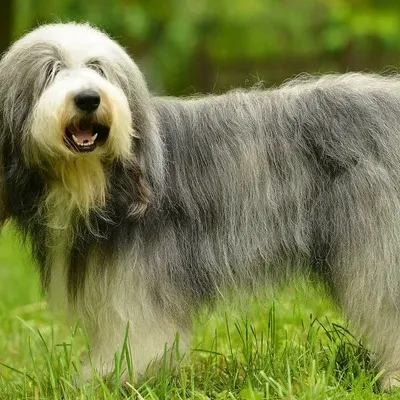

by Happy Pet TeamUpdated on 27 Aug 2025
Meet the Gentle Giant: The Old English Sheepdog
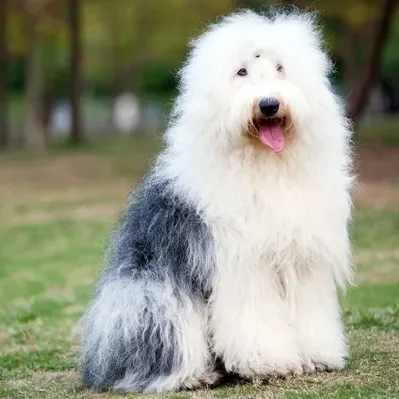
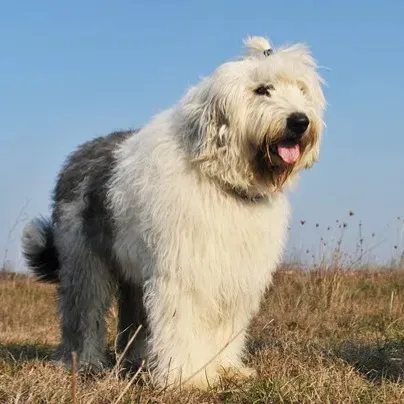
If shaggy charm and a big heart are what you’re after, the Old English Sheepdog (OES) might just steal yours. Nicknamed the “bobtail,” this breed is famous for its thick, tousled coat and lumbering, bear-like walk. Originally bred in England to drive cattle and sheep, the OES is equal parts worker and cuddler.
According to The Spruce Pets, their herding heritage makes them alert and intelligent, but they’re just as happy lounging with their family after a busy day. While still uncommon in India, some Kennel Club of India (KCI)-registered breeders and adoption platforms occasionally list them. Because of their rarity here, it’s vital to only work with ethical breeders who provide health certifications, as careless breeding can lead to hip issues and vision problems in the breed.
The Old English Sheepdog may look whimsical, but its history is deeply practical. As DogTime notes, farmers in 18th-century England used them to move livestock to markets, often docking their tails to mark them as working dogs—hence the nickname “bobtail.” By the 19th century, their shaggy coat and clownish personality made them show-ring favorites, eventually gaining AKC recognition in 1888.
In India today, their appeal is slowly growing among pet parents who live in larger homes or farmhouses. Because of their dense coats, they thrive best in cooler regions like Himachal or Ooty, but with adjustments—air-conditioning, trimmed coats, and limiting outdoor activity during midday heat—they can adapt to urban Indian homes too.
How Long Do Old English Sheepdogs Live?
With proper care, OES usually live 10 to 12 years. PetMD notes that routine vet visits, a balanced diet, and joint screenings are especially important since large breeds often face hip dysplasia.
In India, where summers can be harsh, their lifespan and comfort depend heavily on preventing overheating. Simple changes like walking them during early mornings or late evenings, ensuring constant access to water, and offering light, protein-rich diets suited to hot weather can make a big difference in their overall health and longevity.
Temperament & Personality
Spend five minutes with an OES and you’ll understand why the AKC describes them as “adaptable and gentle.” They’re playful, clownish, and extremely loyal.
- Family life: They bond strongly with their people and often follow them around like giant shaggy shadows. Indian families love them for their affectionate, watchful nature.
- Kid-friendly: Their protective yet goofy temperament makes them excellent around children, though their sheer size can be overwhelming for toddlers in smaller city apartments.
- Herding instinct: OES may try to “herd” kids or smaller pets—a throwback to their farm dog roots. With early socialization, this becomes charming rather than disruptive.
- Noise factor: They are vocal dogs, and in Indian apartment complexes, excessive barking can upset neighbors—training and mental stimulation are key.
Exercise is non-negotiable. Long daily walks, agility games, or even gentle treks in the hills are ideal. But in India’s warmer cities, exercise should be timed carefully. Evening walks in shaded lanes or indoor play during peak summer months help keep them active without risking heatstroke.
Characteristics
Barking
Quiet
Loud
Temperament with Kids
Aggressive
Friendly
Playfulness
Silent
Very Playful
Friendliness
Not Friendly
Super Friendly
Compatibility with other dogs
Aggressive
Friendly
Need for attention
Independent
Very Needy
Monthly Expenses


Lifespan and Price in India
Cost of buying
₹ 2,50,000 - ₹ 4,00,000
With good care, Old English Sheepdogs usually live 10–12 years. However, in India, access to specialist care for large-breed health problems like hip dysplasia or eye disorders can influence longevity.
Since this breed is rare here and usually imported, the price is steep, ranging from ₹2.5–4 lakhs depending on pedigree, breeder reputation, and whether health clearances (hips, eyes, thyroid) are provided.
Exercise Needs
Though they look like fluffy teddy bears, OES are actually energetic working dogs. They need at least 1–2 hours of exercise daily to stay healthy and happy.
For Indian homes, long morning and evening walks work well—avoid midday heat to prevent overheating under their thick coat. In apartments, games like tug, hide-and-seek, or puzzle feeders help burn energy. During monsoons, indoor scent games and agility-style play can be great substitutes.
Heat management is critical in India. Walks should be done early morning or after sunset, and always keep fresh drinking water handy. If you live in a hot city like Nagpur or Hyderabad, air conditioning or cooling mats can help prevent heat stress.
Prerequisites to pet a Old English Sheepdog
Access to Groomer
Access to Veterinary
Lifestyle Compatibility
Financial Capability
Time and Effort
Shop or Adopt an Old English Sheepdog: Making the Right Choice
Because OES are uncommon in India, sourcing them responsibly is key. While adoption is rare, it’s worth checking larger rescue groups or breed-specific networks. If you’re buying, transparency is everything. Choose breeders who provide:
- Health clearances for hips, eyes, and thyroid conditions (these are common breed concerns).
- Complete vaccination and deworming records before handover.
- Socialized puppies raised in clean environments, not in cages.
- Pet parents should be cautious of backyard breeders offering pups without proper certifications. In smaller Indian cities, managing advanced conditions can be tricky, so choosing a responsible source upfront is crucial.
City pet parents should also consider lifestyle: regular grooming, indoor cooling, and daily exercise are non-negotiable. Whether adopting or shopping, making an informed choice ensures you’re prepared for the responsibility this gentle giant brings.
Nutrition Care for Old English Sheepdogs
Monthly Food Expenses
₹ 3,000 - ₹ 4,500
Calories per day
Puppies: 1500 kcal
Adults: 2000 kcal
Essential Nutrients
Carbohydrates
Fats
Minerals
Omega3
Protein
Vitamins
Fibre
List of foods
Chicken
Dry Dog Food
Fresh Meat
Fresh Fish
Home made meals
Vegetables
Fruits
The Old English Sheepdog (OES) is a big, fluffy ball of energy wrapped in a shaggy coat. Behind that cuddly exterior is a working breed that needs the right nutrition to support its large frame, heavy coat, and joint health. Feeding them isn’t about volume—it’s about balance.
Protein: The Building Block
According to The Farmer’s Dog, protein is crucial for muscle health in large breeds. For Indian homes, chicken, goat meat (mutton), eggs, and freshwater fish are affordable and easily available. Lean meats help keep their frame strong without adding unnecessary fat. In fact, goat meat (mutton) is often fattier than chicken—so if you’re feeding mutton, trim excess fat and balance it with lighter meals like rice and pumpkin.
Healthy Fats: For Coat & Joints
The OES is famous for its shaggy double coat, and maintaining that requires good fat sources. Cola’s Kitchen notes that omega-3 fatty acids also support joint mobility, which is vital for such a heavy breed.
In India, you can:
- Add fish oil capsules (available at most vet clinics)
- Include oily fish like sardines, mackerel, or rohu once or twice a week
- Use a spoon of cold-pressed coconut oil for an occasional coat boost
Carbohydrates: Sustained Energy
As Spot & Tango explains, large dogs need slow-releasing carbs for stable energy. Beyond the common rice and oats, Indian homes can rely on:
- Ragi (finger millet) and jowar – rich in fiber and calcium
- Sweet potatoes – a great vitamin-packed alternative to processed carbs
- Brown rice – lighter on the stomach than polished rice
Vitamins & Minerals: Protecting Eyes & Immunity
Old English Sheepdogs are prone to eye issues like cataracts and hip dysplasia as they age. Antioxidant-rich veggies are very important. Luckily, Indian markets make this easy:
- Pumpkin for digestion and eye health
- Carrots for beta-carotene (great for vision)
- Spinach and beans for iron and minerals
- Lightly boil or steam veggies to make them more digestible for your dog.
Feeding Guidelines for Old English Sheepdogs
PetMD stresses one thing: watch the portions. OES love food, but their slow metabolism means they can gain weight quickly—especially in India where hot weather limits activity.
- Puppies (8 weeks–1 year):
- 3–4 small meals a day
- A mix of chicken, rice, curd, and boiled veggies works well in Indian homes
- Add calcium and vitamin supplements (vet-guided) for healthy bone growth
- Adults (1–7 years):
- 2 meals daily
- Include joint-support foods (glucosamine from chicken feet broth or supplements)
- Practical routine: premium kibble in the morning, a fresh meal of chicken + paneer + pumpkin in the evening
- Seniors (8+ years):
- Reduce calories by ~20% to prevent obesity
- Add L-carnitine supplements (easily available in Indian vet stores) to support metabolism
Feed during cooler parts of the day (early morning, late evening) to avoid digestion issues in hot weather.
Breakdown of Macro-nutrients
Best Foods for Old English Sheepdogs
Fresh, high-quality meals are ideal for this breed. Premium brands like Orijen, Acana, and Royal Canin are stocked at big pet stores and online platforms such as Heads Up for Tails and Supertails.
Practical desi approach: Mix kibble with home-cooked meals—like brown rice + chicken + pumpkin + spinach—for a pocket-friendly, balanced diet.
Don't forget to ask your vet before starting your pup on anything.
Never feed these foods to Old English Sheepdog
Avoid anything with these ingredients
Alcohol
Avocados
Chocolate
Coffee / Tea
Xylitol
Grapes
Onions
Garlic
Even though OES are enthusiastic eaters, not everything is safe for them.
- Low-quality kibble: The Farmer’s Dog warns against filler-heavy foods, which are common in cheaper Indian brands using corn and soy.
- Toxic foods: Grapes, raisins, chocolate, onions, garlic, and xylitol (found in sugar-free products in India) must be avoided.
- Unsafe chews: Rawhides and hard bones which are still widely sold in Indian pet shops are not as safe as they are told to be. Instead, go for vet-approved dental chews or dried meat strips.


Health
Avg Monthly Expenses
₹ 1,500 - ₹ 2,250
Common Health Issues
Parvovirus
Parasites
Heartworm
Bloat
Canine distemper
Canine Influenza
Hip Dysplasia
Kennel Cough
Well being
Agility Training
Bonding
Games
Exercise
Socialization
Energy Level
Medium
Exercise routine
30 - 60 minutes
Recognising Stress
Excessive Barking
Changes in appetite
Pacing
Excessive Panting
Reluctance to move
Increased laziness
Old English Sheepdog Health Guide
The Old English Sheepdog (OES) is famous for its shaggy, teddy-bear looks—but beneath all that fluff is a powerful working dog with unique health needs. Regular vet visits are non-negotiable. The American Kennel Club (AKC) notes that OES are prone to several inherited conditions, especially hip dysplasia and eye problems. In the U.S., many breeders use genetic testing to screen for these risks, but in India, pet parents can still request joint X-rays, thyroid panels, and annual eye exams at advanced clinics in metros like Delhi, Bengaluru, or Mumbai.
Exercise is another big one. OES were bred to herd, so they thrive on activity. But here’s the catch—India’s hot, humid climate is not exactly designed for a dog built for English pastures. Both Dogster and PetMD stress that OES need structured activity and mental stimulation, but Indian owners should be strategic: think morning and evening walks, indoor tug games during the afternoon, and plenty of puzzle toys when it’s too hot outside. And don’t forget that shaggy double coat—heat can quickly build up, so access to shade, water, and even air-conditioning in peak summers is essential.
Common Health Problems of Old English Sheepdogs
Like most purebreds, OES come with some predictable health challenges that Indian families need to plan for.
- Hip Dysplasia: A common issue in large breeds. PetMD explains that this condition causes painful arthritis over time. On India’s hard tile or marble floors, joint stress is amplified—so orthopedic beds and anti-slip mats are smart early investments.
- Eye Conditions: Progressive Retinal Atrophy (PRA) and cataracts are particularly common in OES, according to the Old English Sheepdog Club of America. Annual vet eye checks are critical. At home, keeping living spaces well-lit helps dogs with deteriorating vision navigate better.
- Hypothyroidism: WebMD Pets highlights that OES are prone to thyroid imbalances, which can cause weight gain and lethargy. Indian pet parents often mistake this for “lazy summer behavior,” so regular bloodwork is key.
- Deafness: Congenital deafness occurs in some OES lines. If your puppy doesn’t respond well to sounds, an audiometry test (available at larger Indian vet hospitals) is worth doing.
- Allergies: Environmental allergies are common in polluted metros like Delhi and Mumbai. Dog Academy points out that OES can react to dust mites or certain foods. Switching from wheat-heavy commercial foods to rice or millet-based diets often helps in India.
- Dental Disease: With their strong jaws, OES can hide dental pain until it’s advanced. Chewy’s breed guide suggests daily brushing, and in India, many owners add raw meaty bones (under vet guidance) or dental chews to keep tartar in check.
General Healthcare Tips
Day-to-day care can make a massive difference in your OES’s health, especially in Indian conditions.
- Schedule annual hip, thyroid, and eye checks—early detection saves both money and stress later.
- Brush their teeth daily, and aim for professional cleanings twice a year.
- Keep weight under control. OES are prone to “fluff hiding fat,” so don’t rely on looks alone. A balanced diet of chicken or fish paired with Indian grains like rice or ragi works well for steady energy.
- Joint supplements (glucosamine, chondroitin) are widely available in India and can be added early to delay arthritis.
- Because OES can be sensitive and even anxious, consistency helps: fixed walk, play, and meal times keep them emotionally grounded in busy Indian households.
Vaccination details
Growth Stage
Core Vaccines
6-8 Weeks
Distemper, Parvovirus.
10-12 Weeks
Distemper, Parvovirus, Adenovirus (Canine Hepatitis).
12-16 Weeks
Leptospirosis, Bordetella (Kennel Cough).
Annual
Boosters for Distemper, Parvovirus, Leptospirosis, Bordetella, and Rabies.
Recommendations to care for senior Old English Sheepdog dogs
By their senior years, OES often slow down noticeably. Chewy and Dogster both recommend bi-annual bloodwork to monitor liver, kidney, and thyroid health, and luckily, most Indian metro vet clinics now offer complete geriatric panels.
Comfort becomes a priority: orthopedic beds help with arthritis on India’s stone or tile flooring, while cooler resting areas with fans or AC are a must in summer. Exercise should shift from long walks to short, easy strolls twice a day to prevent stiffness.
Diet-wise, senior OES do best on lower-calorie, joint-supporting formulas. Many Indian pet parents supplement with turmeric (haldi) for its natural anti-inflammatory benefits, just check dosage with your vet. Warm compresses in winter and gentle massages also go a long way in easing discomfort.
And perhaps the most important—these dogs are deeply bonded with their families. A stable daily routine keeps them emotionally content and less prone to anxiety in their golden years.
Similar Breeds
Bearded Collie | Tibetan Mastiff | Bernese Mountain Dog
Grooming
Avg Monthly Expenses
₹ 1,200 - ₹ 1,800
Shedding Level
Very High Shedding
Hygienic Checklist
Bathing
Brushing
Ear Cleaning
Nail Trimming
Eye Care
Teeth Care
Benefits of Grooming
Odourless
Prevents infections
Cleanliness
Prevents Bad Breath
Quality of life
Low Shedding
The Old English Sheepdog is famous for its shaggy, double coat, which—unlike the low-maintenance Entlebucher—requires serious grooming commitment. According to PetMD, daily brushing with a slicker and metal comb is ideal to prevent mats and tangles, especially in India where dust and humidity can worsen coat buildup. Skipping even a few days can result in painful knots.
Bathing needs more attention too. A wash is recommended every 6–8 weeks, but in Indian metros like Delhi or Mumbai, where pollution and heat are constant challenges, a monthly bath with a pH-balanced shampoo helps keep the coat and skin clean without stripping natural oils.
Unlike short-haired breeds, trimming is part of life with an OES. Professional grooming is suggested every 6–8 weeks. For Indian homes, especially in hot cities like Chennai, many pet parents choose a “puppy cut” (shorter trim) to make upkeep easier and keep the dog comfortable.
Ear cleaning is non-negotiable—Heavy, floppy ears trap moisture, making them prone to infections. Monsoon season in India is especially risky, so check ears weekly. And since dental disease is common in large breeds, brushing teeth or offering vet-approved chews is essential.


Written by
Happy Pet TeamAuthor
Team Happy Pet is a passionate collective of pet experts, enthusiasts, and advocates dedicated to sharing trusted and insightful content.
Our cont
Compare with similar breeds
Frequently Asked Questions
What is the lifespan of an Old English Sheepdog?
Old English Sheepdogs typically live 10–12 years. With regular vet checkups, a balanced diet, and proper grooming, many reach the higher end of this range.
Are Old English Sheepdogs suitable for Indian homes and climate?
Yes, but they need extra care. Their thick double coat makes them prone to overheating in hot Indian summers. Keep them indoors during the day, walk them in cooler hours, and consider lighter grooming styles like a “puppy cut” for comfort.
What should I feed my Old English Sheepdog in India?
They thrive on a diet rich in lean protein, healthy fats, and joint-supporting supplements. Indian homes can combine premium kibble with boiled chicken, paneer, pumpkin, and carrots. Avoid feeding spicy food or toxic items like onions, grapes, or chocolate.