Home
/
Dog Breeds
/
Pointer
Pointer
Origin
England
Size
Medium Breed
Ideal Space
House with backyard
Ideal Weather
15º-25ºC
Life Expectancy
12-15 years
Cost of buying
₹ 10,000 - ₹ 50,000
Top 5 Traits
Energetic
Athletic
Intelligent
Loyal
Playful
Avg Monthly Expenses
₹ 3,550 - ₹ 5,400



by Happy Pet TeamUpdated on 16 May 2025
Introduction of the Pointer
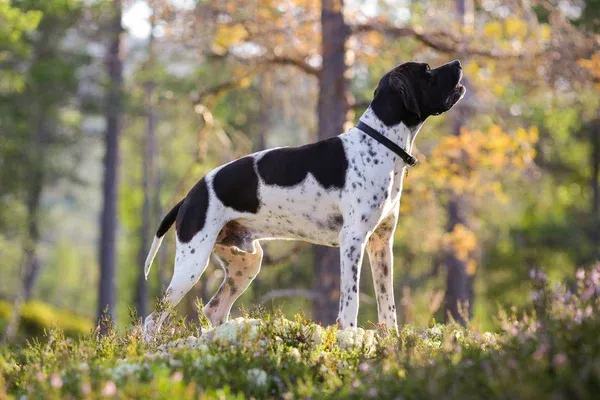
Pointer’s history is a rich and complex one. Most experts believe that the breed originated from the Old Spanish Pointer that was brought to England in the early 18th century. Selectively bred to improve their agility and hunting skills, these dogs were then refined.
The Spanish Pointer was introduced to England by soldiers returning from Spain in 1714. These dogs were crossed over time with breeds like the Greyhound, Bloodhound and Foxhound to produce the modern Pointer. This mix provided the breed speed, endurance, and a keen sense of smell.
Unlike retrievers that fetch game, Pointers were specifically bred to locate birds and remain still, pointing in the direction of the bird they’ve found. They became highly valued by hunters and were one of the most popular gun dogs in England by the nineteenth century.
In 1936, the Pointer’s breed standard was officially recognized and hasn’t changed much since. The breed continues to be a favourite of hunters, field trial competitors, and active families today.
Key Personality Traits of Pointers:
- Energetic – They love to run and need daily exercise to remain fit.
- Intelligent – They are quick learners but need constant training.
- Affectionate – These dogs form strong bonds with their family members.
- Social – They generally have no problem getting along well with people or other dogs.
- Loyal – They are protective but not aggressive.
Active families will love them, but they may not be suitable for owners with a lazy lifestyle. If they do not get enough exercise, they can get restless and engage in destructive behaviour.
How Long Do Pointers Live?
Pointers have an average lifespan of 12-15 years. How long they’ll live depends on how well they are taken care of.
Pointers Exercise Needs:
Pointers are highly active dogs that need at least 60–90 minutes of exercise daily. Activities like running, fetching, and agility training help maintain their physical and mental health.
Characteristics
Barking
Quiet
Loud
Temperament with Kids
Aggressive
Friendly
Playfulness
Silent
Very Playful
Friendliness
Not Friendly
Super Friendly
Compatibility with other dogs
Aggressive
Friendly
Need for attention
Independent
Very Needy
Monthly Expenses


What is the Pointer Price in India?
Cost of buying
₹ 10,000 - ₹ 50,000
When you decide to get yourself a Pointer, you have two choices- Shop or Adopt.
The cost of a Pointer in India can be anywhere from around Rs. 10,000 to Rs. 50,000. The price of a Pointer puppy depends on the breeder's reputation, location and bloodline.
Prerequisites to pet a Pointer
Access to Veterinary
Space and Environment
Time and Effort
Willingness to train
Lifestyle Compatibility
Shop or Adopt a Pointer: Make the Right Choice!
Adopting a Pointer provides them with a second chance for a loving home. When buying from a breeder, it is best to buy from a responsible one who cares for the breed.
Your decision should depend on your lifestyle, your physical activity levels, and the amount you want to dedicate to training and care.
Best Practices to Follow While Shopping or Adopting a Pointer
- Research breeders and rescues: Find a reputable breeder or Pointer rescue using ethical breeding and adoption policies. Read reviews and make sure the dogs are in good health.
- Check health clearances: Ask for records of vaccinations, deworming, and screenings for common Pointer health concerns, including hip dysplasia and eye conditions.
- Visit the breeder or shelter: Make sure the dog is living in clean, safe, well-socialized surroundings.
- Understand their care needs: These dogs are very active and need regular physical activity such as running, hiking, or dog sports.
- Plan for vet care: Routine veterinary checkups, vaccinations, and preventive care are also necessary to keep pointers healthy and long-lived.
Whether you are buying or adopting a pointer, you can get a happy and healthy life for your pointer by making an informed choice.
Nutritional Needs of a Pointer
Monthly Food Expenses
₹ 2,250 - ₹ 3,000
Calories per day
Puppies: 1300 kcal
Adults: 1600 kcal
Essential Nutrients
Protein
Carbohydrates
Fats
Fibre
Minerals
Vitamins
List of foods
Chicken
Dry Dog Food
Fresh Meat
Fresh Fish
Mutton
Home made meals
Vegetables
- Pointers need a balanced diet to support their athletic build and high energy levels.
- Include high-quality protein, healthy fats, carbohydrates, vitamins, and minerals for strength and stamina.
- Avoid low-quality food as it may lead to nutrient deficiencies and poor health.
- Puppies, adults, and senior Pointers have different feeding needs that should be adjusted with age.
- Mixing dry food with fresh ingredients like lean meats, vegetables, and brown rice ensures balanced nutrition.
Feeding Schedule of Pointers:
- Puppies (up to 3 months): Feed 4 small meals a day, with ½ to 1 cup per meal.
- Puppies (3–6 months): Feed 3 meals a day, with 1 to 1.5 cups per meal.
- Puppies (6–12 months): Feed 2 meals a day, with 1.5 to 2 cups per meal.
- Adults (1 year and older): Feed 2 meals a day, with 2 to 3 cups per meal.
- Senior Pointers: Adjust portion size based on activity level and health condition; usually 1.5 to 2.5 cups per meal.
Breakdown of Macro-nutrients
Best Foods for Pointers
- Protein – Provides support for muscle development (found in chicken, fish, and lean meats).
- Healthy Fats – Contains energy (sources: fish oil, flaxseed, chicken fat).
- Carbohydrates – Provides endurance (found in brown rice, sweet potatoes).
- Omega-3 & Omega-6 – It helps keep the coat and joint healthy.
- Glucosamine & Chondroitin – Helps support joint health, particularly in aging dogs.
Pointers are susceptible to gastric dilatation volvulus (bloat), and should not be fed before or shortly after exercising. A slow feeder bowl can also help prevent bloat as it will prevent your dog from eating too fast.
Foods to Avoid for Pointers
Avoid anything with these ingredients
Garlic
Grapes
Alcohol
Avocados
Cherries
Cinnamon
Onions
- Chocolate – Contains theobromine, which is toxic to dogs.
- Onions & Garlic – Can cause anaemia.
- Grapes & Raisins – This may lead to kidney failure.
- Raw Salmon & Trout – Risk of parasites.
- Processed Meats – High in sodium and preservatives.
A high-quality diet and fresh water will keep your Pointer active and healthy.


Health Care for a Pointer
Avg Monthly Expenses
₹ 600 - ₹ 1,200
Common Health Issues
Hip Dysplasia
Bloat
Parvovirus
Rabies
Heartworm
Parasites
Leptospirosis
Lyme disease
Panosteitis
Well being
Exercise
Bonding
Games
Socialization
Hiking
Energy Level
Very High
Exercise routine
60 - 90 minutes
Recognising Stress
Changes in appetite
Excessive Barking
Reluctance to move
Excessive Panting
Pacing
Increased laziness
Decreased play
Common Health Issues in Pointers
Pointers are mostly healthy, but like other breeds, they have some genetic health issues to watch out for. Preventive care and visits to the vet are essential parts of a healthy long life.
- Hip Dysplasia – An inherited disorder of the hip joint. Regular exercise and weight management can be your way to go to minimize discomfort.
- Elbow Dysplasia – Affects the front leg joints and results in lameness. Early detection along with adding joint supplements to the diet will help improve mobility.
- Allergies – Pointers may develop food or environmental allergies. Identifying triggering elements along with the incorporation of vet-approved treatments will help.
- Bloat (GDV) – Condition of the stomach twisting which can be life-threatening. Feed smaller meals and also don't let your dog get into vigorous exercise right before or after the meals.
- Ear Infections – Due to floppy ears, they are easily prone to infections. Regular ear cleaning helps avoid bacteria buildup and irritation.
Health Care Tips for Pointers:
- Regular Vet Check-Ups – Make sure vaccinations and screens remain up to date.
- Weight Management – Prevent obesity which worsens joint issues.
- Joint Supplements – They support mobility, especially in older dogs.
- Dental Care – To prevent gum disease brush teeth 2-3 times per week.
Vaccination details
Growth Stage
Core Vaccines
6-8 Weeks
Distemper, Parvovirus
10-12 Weeks
Distemper, Parvovirus, Adenovirus, Parainfluenza
14-16 Weeks
Rabies
12-16 Months
Booster for Distemper, Parvovirus, Adenovirus, Rabies
Anually
Rabies, DHPP (Distemper, Hepatitis, Parainfluenza, Parvovirus)
Senior Dog Care for Pointers
- Regular vet visits: Make sure to schedule bi-annual checkups to detect age-related issues early.
- Joint health support: Supplements such as glucosamine, chondroitin, and omega 3s will help with mobility.
- Comfortable bedding: Ease joint pressure through orthopaedic beds.
- Weight management: Reduce strain on ageing joints by keeping them fit.
- Temperature control: Senior Pointers are sensitive to heat and cold.
- Mobility aids: Provide ramps or strollers if needed.
- Grooming routine: Brush your dog weekly for a healthy coat.
- Mental engagement: Give the dog puzzle toys and gentle training.
- Pet insurance: It helps to cover the medical costs of ageing care.
Important Note: This information is for general guidance only. Always consult a qualified veterinarian for personalized advice.
Grooming Guide to a Pointer Dog
Avg Monthly Expenses
₹ 700 - ₹ 1,200
Shedding Level
Low Shedding
Hygienic Checklist
Bathing
Brushing
Ear Cleaning
Eye Care
Nail Trimming
Teeth Care
Benefits of Grooming
Cleanliness
Low Shedding
Odourless
Prevents Bad Breath
Prevents infections
Quality of life
The short coat of pointers has low maintenance grooming needs. But regular care helps make them look their best.
Grooming Routine for Pointers:
- Brushing – Once a week with a bristle brush to remove loose hair. Regular brushing helps spread their natural oil which means a shinier and healthier coat.
- Bathing – Use gentle dog shampoo every few months. Over bathing them leads to skin dryness and irritation.
- Ear Cleaning – Weekly to prevent infections. Catch the issues early by checking for redness or weird odours.
- Nail Trimming – Every 3-4 weeks to prevent discomfort. Keep their nail short to help them sustain proper posture and easy body movements.
- Teeth Brushing – 2-3 times per week for oral health. Dental chews can also help reduce plaque buildup.
Pointers, being outdoor dogs, may pick up dirt or debris during walks. You can wipe them down quickly with a damp cloth to keep them clean in between baths.


Written by
Happy Pet TeamAuthor
Team Happy Pet is a passionate collective of pet experts, enthusiasts, and advocates dedicated to sharing trusted and insightful content.
Our cont
Compare with similar breeds


Frequently Asked Questions
Are Pointers good family pets? Are Pointers good family pets? Are Pointers good family pets?
Yes, Pointers are gentle, patient and affectionate, and therefore great companions for families with children.
Do Pointers require a lot of grooming?
No, their short coat requires occasional brushing to prevent shedding.
Are Pointers high-energy dogs?
They are active and need daily exercise to stay physically and mentally stimulated.
Are Pointers prone to health issues?
Regular vet checkups are important, as they may develop hip dysplasia or eye problems.
Can Pointers be trained easily?
Yes, they are intelligent and eager to learn and respond well to positive reinforcement.