Home
/
Dog Breeds
/
Portuguese Water Dog
Portuguese Water Dog
Origin
Portugal
Size
Medium Breed
Ideal Space
House with backyard
Ideal Weather
15º-25ºC
Life Expectancy
10-14 years
Cost of buying
₹ 2,50,000 - ₹ 5,00,000
Top 5 Traits
Intelligent
Energetic
Loyal
Playful
Protective
Avg Monthly Expenses
₹ 4,650 - ₹ 6,600



by Happy Pet TeamUpdated on 14 Sept 2025
Meet the Portuguese Water Dog: Energetic, Loyal, and Water-Loving
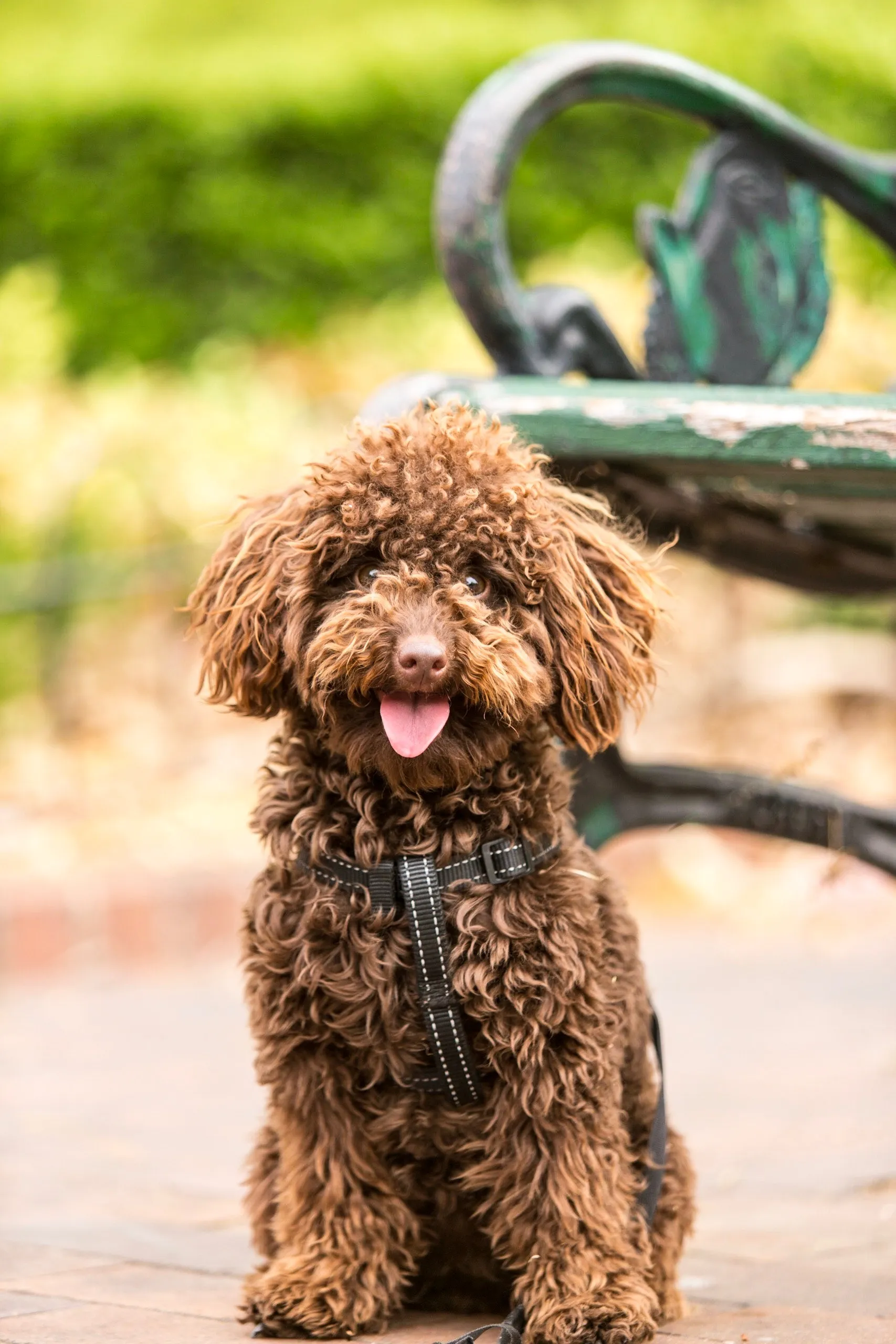
The Portuguese Water Dog, famous as the dog of the U.S. Obama family, is a curly-coated, athletic breed originally bred in Portugal to help fishermen herd fish and carry messages between boats, according to American Kennel Club (AKC). Today, they’re smart, affectionate, and surprisingly adaptable, making them a fantastic companion for Indian families who can meet their exercise and mental stimulation needs. Their medium size, playful energy, and hypoallergenic coat have helped them gain popularity in Indian metros as well as suburban homes.
How Long Do Portuguese Water Dogs Live?
Portuguese Water Dogs typically live 10–14 years, with many thriving into their teens when provided with proper care, says PetMD. In India, regular vet checkups, a balanced diet, and climate-sensitive care, especially during hot summers in cities like Delhi, Chennai, or Ahmedabad, are essential to ensure they stay healthy and active. Their hybrid vigor makes them relatively sturdy, but like all dogs, preventive healthcare is key.
Temperament & Personality
These dogs are known for their loyalty, intelligence, and playful nature:
- With Family: Portuguese Water Dogs thrive on companionship and love being part of household activities. They’re happiest with consistent interaction and can develop separation anxiety if left alone for long hours. In Indian apartments or houses, including them in daily routines—like fetch on the terrace or helping in light chores—keeps them mentally satisfied.
- With Kids: Gentle yet energetic, they make wonderful companions for school-aged children. Supervision is recommended for toddlers due to their energetic play style.
- With Strangers: Naturally alert but not aggressive, they are more likely to greet new visitors warmly than bark excessively. Early socialization ensures calm behavior in Indian households with frequent guests.
- Training: Highly intelligent, Portuguese Water Dogs respond best to positive reinforcement, says DogTime. Harsh corrections backfire. In India, early obedience training is vital, particularly for recall, since these dogs are energetic and can dash after birds or small animals.
- Energy Levels: These are moderately high-energy dogs. They need daily exercise—walks, playtime, or swimming (if accessible). Without activity, they may become restless or mischievous indoors.
Apartment vs. Farmhouse Life in India
Apartment Life (Mumbai, Delhi, Bengaluru, Pune, Hyderabad)
Portuguese Water Dogs can live comfortably in apartments if their exercise and mental needs are met. A combination of two 20–30 minute walks, indoor games, or access to secure terraces keeps them happy. Avoid leaving them idle; boredom can lead to barking or furniture chewing.
Farmhouse/Suburban Homes (Gurgaon outskirts, Goa, Coimbatore, Dehradun)
With space to run and explore, these dogs thrive. They enjoy fetch, swimming in ponds or pools, and exploring safely fenced yards. Supervised outdoor activity is a must to prevent them from chasing wildlife or small pets.
Climate Considerations in India
- Hot Cities (Delhi, Chennai, Ahmedabad, Jaipur): Limit walks to early mornings or evenings, provide shade, fans, and hydration. Their curly coat can retain heat, so avoid overexertion.
- Cooler Areas (Shimla, Ooty, Coorg, Darjeeling): Ideal for outdoor play and longer exercise sessions. Their coat offers protection, but brushing helps prevent matting from dust or leaves.
- Monsoons: Humidity can lead to fungal infections. Dry them thoroughly after rain or puddle play, and keep ears clean to avoid infection.
Characteristics
Barking
Quiet
Loud
Temperament with Kids
Aggressive
Friendly
Playfulness
Silent
Very Playful
Friendliness
Not Friendly
Super Friendly
Compatibility with other dogs
Aggressive
Friendly
Need for attention
Independent
Very Needy
Monthly Expenses


Lifespan & Availability in India
Cost of buying
₹ 2,50,000 - ₹ 5,00,000
Portuguese Water Dogs typically live 12–15 years with proper care.
In India, they are rare and usually imported from Europe or the U.S., with prices ranging from ₹2.5–5 lakhs depending on breeder reputation and lineage.
Exercise Needs
PWDs are energetic and intelligent, requiring both physical activity and mental stimulation. They love swimming, running, and interactive play.
Daily Activity:
Aim for 60–90 minutes of exercise, split into morning and evening sessions to avoid India’s midday heat, especially in metros like Delhi, Hyderabad, Chennai, or Jaipur.
Outdoor Play:
Securely fenced terraces, gardens, or gated lawns are ideal. Supervise closely; PWDs’ curiosity and prey instincts may tempt them to chase small animals. Always provide fresh water during play, particularly in May–June heat.
Mental Stimulation:
These dogs are intelligent problem-solvers. Keep them engaged with puzzle feeders, hide-and-seek games, or obedience training indoors—especially in apartments or smaller Indian homes.
Prerequisites to pet a Portuguese Water Dog
Access to Veterinary
Financial Capability
Lifestyle Compatibility
Space and Environment
Shop or Adopt a Portuguese Water Dog in India
- Health paperwork: Confirm vet clearances for hips, heart, and ears, as these are common health concerns.
- Responsible breeders: Choose breeders who socialize puppies indoors with families. Early socialization is vital for this intelligent breed.
- Documentation: Ensure KCI or FCI pedigree papers and up-to-date vaccinations.
- Adoption: Rare in India. International breed-specific rescues may have listings. When importing, be prepared for quarantine, vet checks, and gradual acclimatization to India’s warmer climate using shaded spaces, AC/fans, and hydration.
Nutrition Care for Portuguese Water Dogs in India
Monthly Food Expenses
₹ 2,250 - ₹ 3,000
Calories per day
Puppies: 1500 kcal
Adults: 1200 kcal
Essential Nutrients
Protein
Fats
Carbohydrates
Vitamins
Minerals
Fibre
List of foods
Dry Dog Food
Fresh Meat
Fresh Fish
Fruits
Vegetables
Portuguese Water Dogs (PWDs) are medium-sized, curly-coated dynamos with plenty of energy and a love for water. Originally bred to work alongside fishermen in Portugal, they need balanced, nutrient-rich meals to maintain lean muscles, support joint health, and keep their dense, curly coat shiny and healthy. According to the American Kennel Club (AKC), a complete diet is key for their overall vitality. In India, climate and local food habits must also be considered to prevent overheating, digestion issues, or coat dryness.
Protein: Muscle & Energy Support
PWDs are active dogs, so high-quality protein is essential for lean muscle, stamina, and recovery after exercise. According to PetMD, small-to-medium active breeds benefit from 22–26% protein in their daily diet.
India-friendly protein options:
- Boiled chicken or goat (unspiced, skin removed)
- Freshwater fish like rohu, sardines, or mackerel, rich in omega-3s
- Eggs, boiled or scrambled without oil
- Paneer in moderation, particularly for cooler months
Tip for hot Indian summers: Stick to lighter proteins like chicken and fish. Heavy meats or oily curries can upset their stomach and increase dehydration risk. Split meals into 2–3 portions to prevent gulping.
Healthy Fats: Coat, Skin & Brain Support
Their curly coat and active brain benefit from omega fatty acids. Fats help skin hydration, joint health, and energy levels.
Indian-friendly sources of healthy fats:
- Cooked sardines or mackerel once or twice a week
- 1 tsp coconut oil mixed in meals 2–3 times a week
- Vet-approved fish oil supplements, especially during dry winters in Delhi, Jaipur, or Chennai
Regular brushing after meals or swimming sessions prevents tangles and keeps their curls shiny.
Carbohydrates: Steady Energy
PWDs need complex carbs for steady energy, particularly if indoor play is limited in apartments in Mumbai or Bengaluru. Avoid excess simple carbs, which can lead to weight gain and sluggishness.
Best Indian carb options:
- Oats or broken wheat (daliya)
- Brown or red rice in small quantities
- Hydrating veggies like pumpkin, bottle gourd, carrots, beans
- Millets like ragi or bajra for fiber
Avoid: Bread, biscuits, fried snacks (pakoras, samosas), or leftover restaurant food.
Vitamins & Minerals: Bone, Heart & Immunity
PWDs are moderately long-lived but benefit from preventive nutrition for bones, joints, and immunity. Calcium, phosphorus, vitamins A, D, E, and antioxidants help maintain vitality.
Easy Indian boosters:
- Steamed carrots, spinach, peas, and beans mixed into meals
- Vet-guided calcium during puppy growth phases
- Glucosamine or chondroitin supplements for adult and senior dogs
Feeding Guidelines by Life Stage
- Puppies (2–12 months): 3–4 small meals/day. Combine puppy kibble with light proteins like boiled chicken or egg. Avoid excess calcium to protect growing joints.
- Adults (1–7 years): 2 meals/day. Lighter breakfasts like oats with veggies and protein-rich dinners (chicken/fish + pumpkin) work well.
- Seniors (7+ years): Softer, smaller meals. Incorporate joint supplements and reduce calories by ~10–15% to maintain ideal weight.
PWDs can gulp their food. Consider slow-feeder bowls to reduce bloat risk and aid digestion, especially during summer in Chennai, Delhi, or Kolkata.
Breakdown of Macro-nutrients
Best Foods for Portuguese Water Dogs in India
Premium Kibble (large/medium-breed formulas):
- Royal Canin Medium Breed or Giant Breed Adult
- Hill’s Science Diet Adult
- Farmina N&D Grain-Free Medium
- Orijen Original or Acana Singles
Balanced Home-Cooked Meals:
- Boiled chicken + pumpkin + spinach + rice
- Sardines + sweet potato + beans
- Eggs + oats + carrots
- Paneer + ragi porridge + peas (in moderation)
Healthy Treats: Carrot sticks, cucumber slices, apple (seedless), plain curd, or homemade chicken jerky
Hydration Boosts: Fresh water at all times, occasionally coconut water (unsweetened) or light bone broth, especially in Indian summers.
Never feed these foods to Portuguese Water Dog
Avoid anything with these ingredients
Alcohol
Avocados
Cherries
Cinnamon
Coffee / Tea
Dairy
Fruit seeds
Grapes
Lemon
Milk Products
Mushrooms
Onions
Salt
Sugar
Portuguese Water Dogs have sensitive digestion:
- Toxic: Onions, garlic, grapes, raisins, chocolate, xylitol
- Unhealthy: Fried snacks (pakoras, samosas), sweets (mithai, ice cream), processed meats (sausages)
- Unsafe for teeth/stomach: Rawhide chews, cooked bones
- Caffeine/alcohol: Tea, coffee, beer, wine
Stick to fresh, home-cooked, and high-quality kibble-based meals to avoid tummy upsets, particularly in humid or hot Indian cities.


Health
Avg Monthly Expenses
₹ 1,200 - ₹ 1,800
Common Health Issues
Bloat
Hip Dysplasia
Heartworm
Lyme disease
Parasites
Canine Influenza
Leptospirosis
Kennel Cough
Well being
Exercise
Bonding
Games
Socialization
Hiking
Agility Training
Energy Level
High
Exercise routine
60 - 90 minutes
Recognising Stress
Changes in appetite
Excessive Barking
Reluctance to move
Increased laziness
Decreased play
Pacing
Excessive Panting
Medical Care
Portuguese Water Dogs (PWDs) are generally healthy, thanks to strong genetics and hybrid vigor. However, like all breeds, they can face some health and lifestyle challenges. With preventive care, climate awareness, and a balanced routine, Indian pet parents can keep these curly-coated water lovers thriving.
Common Health Concerns
Hip Dysplasia & Joint Problems
Even though PWDs are medium-sized, their active nature and curly-coated agility can put stress on joints. Hip dysplasia and ligament issues can arise, as PetMD notes. In India, avoid excessive stair climbing or slippery marble/tile floors during puppyhood. Regular gentle walks and vet-approved joint supplements help maintain mobility.
Eye Issues (PRA & Cataracts)
PWDs can inherit eye conditions like Progressive Retinal Atrophy (PRA) and cataracts, often from the Poodle lineage. Annual eye checks are recommended, especially after 5 years. In dusty Indian cities like Delhi, Bengaluru, or Jaipur, wipe eyes gently after walks to reduce irritation.
Ear Infections
Their floppy, dense ears can trap moisture and dirt, making them prone to infections during humid monsoons or rainy walks. The Spruce Pets advises weekly ear cleaning with vet-approved solutions. Always dry ears thoroughly after baths or rainy outdoor play in cities like Mumbai, Kolkata, or Kochi.
Dental Issues
Curly-coated dogs often have small mouths, which can crowd teeth and cause tartar buildup. Regular brushing with dog-safe toothpaste and dental chews (Indian options like HUFT – Heads Up For Tails) helps prevent gum disease. Offer crunchy veggies like carrot or cucumber for added dental hygiene.
Allergies & Skin Sensitivities
PWDs may develop food or pollen allergies, leading to itchy skin or hotspots. In India’s humid climate, fungal infections are common during monsoon months. Gentle, hypoallergenic shampoos and thorough drying after baths or wet play sessions help prevent skin issues.
Obesity & Pancreatitis
Though medium-sized, PWDs can gain weight easily if overfed. Obesity stresses joints, heart, and metabolism, while fatty diets may trigger pancreatitis. Avoid feeding fried snacks like pakoras, samosas, or leftover biryani. Stick to balanced protein-rich meals.
General Healthcare Tips for Indian Homes
- Vet Visits: Annual checkups for young adults, twice a year for seniors. Request hip, eye, and heart clearances before adopting.
- Weight Management: Serve measured portions, avoid table scraps, fried foods, or sweets.
- Dental & Skin Care: Brush teeth 2–3 times a week, dry curly coat thoroughly, and check for hotspots during monsoon months.
- Parasite Control: Regular tick, flea, and worm prevention is essential in India’s tropical and monsoon-prone regions.
- Mental Enrichment: PWDs are intelligent and water-loving. Games like hide-and-seek, scent trails, and obedience drills keep them happy indoors or in secure gardens.
Vaccination details
Growth Stage
Core Vaccines
6-8 Weeks
Distemper, Parvovirus, Hepatitis, Parainfluenza
10-12 Weeks
Distemper, Parvovirus, Hepatitis, Parainfluenza
14-16 Weeks
Distemper, Parvovirus, Hepatitis, Parainfluenza
1 year
Booster Shots
Annually
Booster Shots
Recommendations to care for senior Portuguese Water Dog
- Vet Visits: Biannual checkups with full panels for kidney, liver, and thyroid health.
- Diet Adjustments: Switch to senior-friendly, easy-to-digest meals like boiled chicken/fish with vegetables or senior kibble. Reduce calories slightly to prevent weight gain.
- Joint Support: Orthopedic bedding and vet-approved glucosamine or fish oil supplements help ease stiffness. Avoid slippery floors; rugs or mats are helpful on tiles.
- Climate Management: Use AC or cooling mats in hot summers in Delhi, Chennai, or Hyderabad. Provide warm bedding in winter months in northern cities like Shimla or Dehradun.
- Dental & Ear Care: Continue regular brushing and ear cleaning. Watch for signs of cataracts or hearing changes.
Similar Breeds
Grooming Needs of Portuguese Water Dogs in Indian Homes
Avg Monthly Expenses
₹ 1,200 - ₹ 1,800
Shedding Level
Low Shedding
Hygienic Checklist
Bathing
Brushing
Ear Cleaning
Nail Trimming
Eye Care
Teeth Care
Benefits of Grooming
Cleanliness
Low Shedding
Odourless
Prevents infections
Quality of life
Prevents Bad Breath
Portuguese Water Dogs (PWDs) are medium-sized, curly-coated, water-loving companions with a coat that’s unique—dense, wavy, and hypoallergenic. While they don’t shed much, their curly fur can mat if neglected. In India, where dust, humidity, and heat can challenge coat care, a consistent grooming routine keeps them comfortable and healthy.
Brushing
PWDs require regular brushing to prevent tangles and maintain coat health. A 2–3 times weekly session using a slicker brush or comb designed for curly coats is ideal. In dusty metros like Delhi, Bengaluru, Mumbai, or Ahmedabad, wipe their coat with a damp cloth between brushes to remove pollutants and allergens. Focus on behind the ears, underarms, and belly, these areas can trap dirt during play.
Bathing
Portuguese Water Dogs don’t need frequent baths. Once a month is generally sufficient unless they get muddy or start smelling. In humid cities like Chennai, Kochi, or Kolkata, a vet-approved dry shampoo between baths can help maintain freshness. Always ensure their coat dries completely after rain or bathing, as trapped moisture can cause fungal or skin irritations.
Ears & Nails
PWDs have floppy, curly ears that can trap moisture and debris, making them prone to infections, particularly during India’s monsoon season. Check weekly and clean with a dog-safe ear solution. Their nails don’t naturally wear down on smooth Indian floors like marble, tile, or laminate. Trim every 3–4 weeks to prevent slips and joint strain, especially on hard surfaces.
Teeth
Dental care is crucial for PWDs. Regular brushing 2–3 times a week with dog-safe toothpaste is recommended, along with crunchy veggies like carrots or cucumber slices to reduce tartar buildup. This is a practical, budget-friendly alternative to imported dental chews for Indian homes.


Written by
Happy Pet TeamAuthor
Team Happy Pet is a passionate collective of pet experts, enthusiasts, and advocates dedicated to sharing trusted and insightful content.
Our cont
Compare with similar breeds
Frequently Asked Questions
Are Portuguese Water Dogs hypoallergenic?
While no dog breed is completely hypoallergenic, Portuguese Water Dogs are often considered to be more allergy-friendly due to their low shedding coat. However, individuals with allergies should spend time around the breed to determine their own reaction.
Do Portuguese Water Dogs get along with other pets?
With proper socialization and training, Portuguese Water Dogs can get along well with other pets in the household. Early socialization is important to teach them proper behavior around other animals.
Are Portuguese Water Dogs easy to train?
Yes, Portuguese Water Dogs are intelligent and eager to please, making them relatively easy to train. Consistent and positive reinforcement methods work best with this breed.