Home
/
Dog Breeds
/
Redbone Coonhound
Redbone Coonhound
Origin
United States
Size
Medium Breed
Ideal Space
Independent House
Ideal Weather
10º-30ºC
Life Expectancy
12-14 years
Cost of buying
₹ 60,000 - ₹ 1,00,000
Top 5 Traits
Athletic
Energetic
Intelligent
Loyal
Playful
Avg Monthly Expenses
₹ 3,550 - ₹ 5,400

by Happy Pet TeamUpdated on 6 Aug 2025
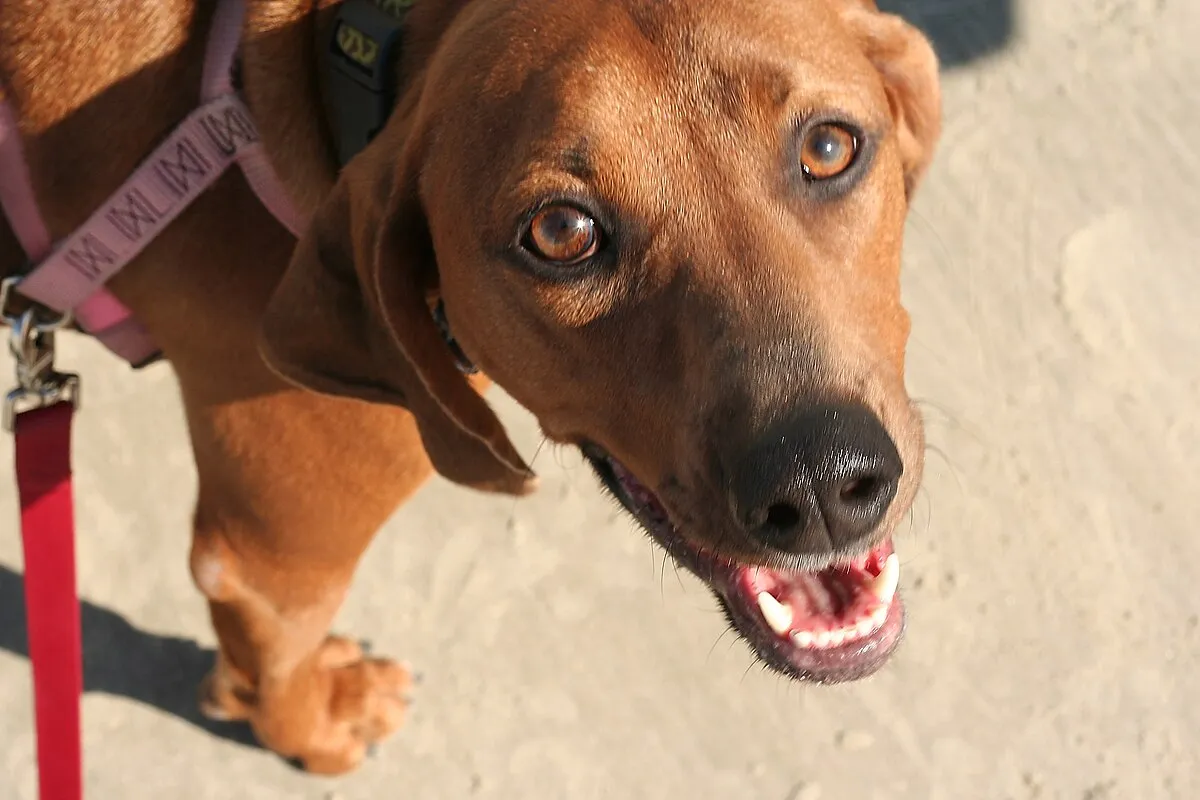
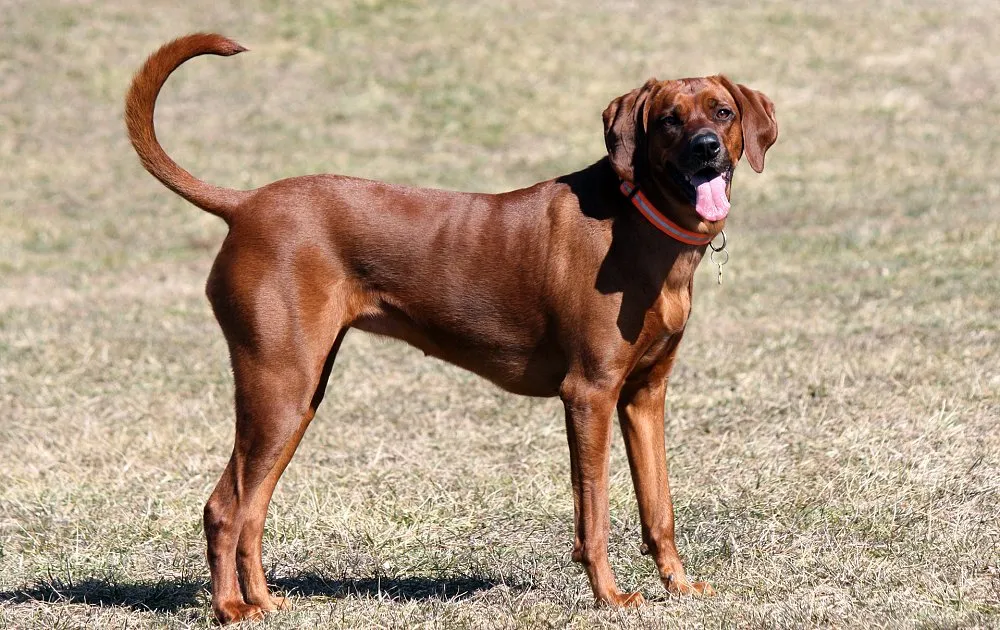
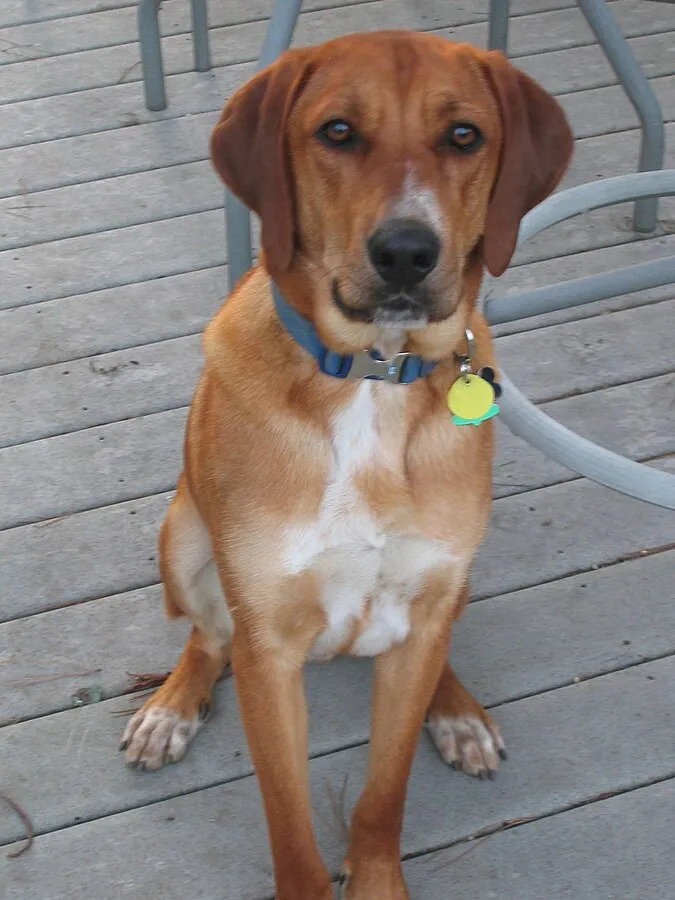
Introduction to the Redbone Coonhounds
The Redbone Coonhound’s history can be traced all the way back to the late 1700s when Scottish immigrants brought red foxhounds to America. Before the Civil War, Red Irish Foxhounds were imported, adding to the development of the breed. Breeders in the U.S. began refining the breed to develop a fast, efficient hunting dog, with a strong sense of smell and impeccable treeing skills.
Breeders successfully established the Redbone's distinctive red coat by the late 18th century. Once they had secured this trait, they set about improving the breed’s hunting performance. In 1902, the United Kennel Club (UKC) recognized the Redbone Coonhound and in 2010, the American Kennel Club (AKC) admitted the breed into the hound category.
Today the Redbone Coonhound is used as both a hunting and companion dog. A hunter and family favourite due to its even temperament and strong work ethic.
How Long Do Redbone Coonhounds Live?
With proper care, Redbone Coonhounds live between 12–14 years.
Redbone Coonhounds Temperament and Personality
- Friendly and Calm – Redbone Coonhounds are very affectionate toward family members and love companionship.
- Reserved with Strangers – They may be shy of new people but they are not aggressive.
- Strong Prey Drive – They are excellent trackers as their hunting instincts are strong.
- Independent Thinkers – They can be stubborn so they need to be trained consistently.
- Vocal – For their loud, distinctive baying sound, especially when tracking.
- Moderate Energy Levels – Highly driven for hunting and work, but calm at home.
Redbone Coonhound Exercise Needs:
The Redbone Coonhound is an active and athletic dog that requires 1 to 2 hours of daily exercise per day.
- Long walks or jogs
- Off-leash play in secure areas
- Games that use scent to stimulate their natural instincts
- Swimming (most Redbones enjoy water)
Characteristics
Barking
Quiet
Loud
Temperament with Kids
Aggressive
Friendly
Playfulness
Silent
Very Playful
Friendliness
Not Friendly
Super Friendly
Compatibility with other dogs
Aggressive
Friendly
Need for attention
Independent
Very Needy
Monthly Expenses


How Much Does a Redbone Coonhound Cost?
Cost of buying
₹ 60,000 - ₹ 1,00,000
The price of a Redbone Coonhound puppy largely depends on location, pedigree and breeder reputation. In India, a Redbone Coonhound costs around ₹ 60,000 - ₹ 1,00,000
Similar Breed to the Redbone Coonhounds
Prerequisites to pet a Redbone Coonhound
Access to Veterinary
Appropriate Climate
Lifestyle Compatibility
Financial Capability
Time and Effort
Shop or Adopt a Redbone Coonhound: The Choice is Yours!
Adopting a Redbone Coonhound provides them with a second chance for a loving home. When buying from a breeder, it is best to buy from a responsible one who cares for the breed.
Your decision should depend on your lifestyle, your physical activity levels, and the amount you want to dedicate to training and care.
Best Practices to Follow While Shopping or Adopting a Redbone Coonhound
- Research breeders and rescues: Find a reputable breeder or Redbone Coonhound rescue using ethical breeding and adoption policies. Read reviews and make sure the dogs are in good health.
- Check health clearances: Ask for records of vaccinations, deworming, and screenings for common Redbone Coonhound health concerns, including hip dysplasia and eye conditions.
- Visit the breeder or shelter: Make sure the dog is living in clean, safe, well-socialized surroundings.
- Understand their care needs: These dogs are very active and need regular physical activity such as running, hiking, or dog sports.
- Plan for vet care: Routine veterinary checkups, vaccinations, and preventive care are also necessary to keep Redbone Coonhounds healthy and long-lived.
Whether you are buying or adopting a Redbone Coonhound, you can get a happy and healthy life for your Redbone Coonhound by making an informed choice.
Nutrition Care for Redbone Coonhounds
Monthly Food Expenses
₹ 2,250 - ₹ 3,000
Calories per day
Puppies: 1800 kcal
Adults: 1500 kcal
Essential Nutrients
Protein
Fats
Carbohydrates
Fibre
Vitamins
Minerals
List of foods
Chicken
Dry Dog Food
Fresh Meat
Fresh Fish
Fruits
Mutton
Home made meals
Vegetables
- Protein is needed to maintain muscle strength in Redbone Coonhounds.
- They need healthy fats for energy and a shiny coat.
- Sweet potatoes are good sources of complex carbohydrates that sustain energy levels.
- Vitamins and minerals contribute to immune health and bone strength.
- Adults, puppies, and seniors all have different nutrient requirements.
- Don't feed them low quality food which could be lacking essential nutrients.
- Dry food mixed with lean meats and vegetables provides balanced nutrition.
Note: These are general guidelines. Consult a veterinarian to determine the specific dietary needs of your dog.
Breakdown of Macro-nutrients
Best Foods for Redbone Coonhounds
Redbone Coonhounds need a balanced diet that contains adequate amounts of high quality nutrients for them to maintain their athletic build and energy levels.
- Proteins: Muscle development, tissue repair and many other things require protein. 25–30% of their diet should be animal based proteins such as chicken, beef, lamb and fish.
- Fats: Energy and coat health is supported with healthy fats (12–15% of the diet). Sources of omega 3 and omega 6 fatty acids such as fish oil or flaxseed are good for your dog.
- Carbohydrates: Brown rice, oats and sweet potatoes contain moderate amounts of carbohydrates that provide energy without making you gain weight.
- Vitamins and Minerals: Vitamins such as A, D, and E and minerals such as calcium and phosphorus help maintain bone strength and immune health.
- Water: After hunting or physical activities, it is important to have adequate hydration.
Feeding Guidelines for Redbone Coonhounds
- Puppyhood: The puppy will need to be fed 4 times daily with high-quality puppy food. At 9–10 weeks, switch from being moistened to unmoistened dry food.
- Adult Stage: Active Redbones need higher protein and fat levels for hunting season. It’s important to monitor weight so that portion sizes can be adjusted, as required.
- Senior Stage: To avoid obesity, reduce calories slightly. Include joint supporting nutrients such as glucosamine and chondroitin.
Foods to Avoid for Redbone Coonhounds
Avoid anything with these ingredients
Alcohol
Garlic
Almonds
Grapes
Avocados
Cherries
Milk Products
Lemon
Cinnamon
Mushrooms
Coffee / Tea
Onions
Salt
Dairy
Fruit seeds
Sugar
- Commercial kibbles have high carbs with fillers like corn and wheat.
- Artificial additives, colours and preservatives are very harmful to dogs.
- Chocolate, grapes, raisins, onions, garlic, and xylitol are some toxic food that needs to be kept at bay.
- Table scraps can make your dog obese and also cause some digestive issues.


Healthcare for Redbone Coonhounds
Avg Monthly Expenses
₹ 600 - ₹ 1,200
Common Health Issues
Hip Dysplasia
Heartworm
Bloat
Allergies
Ear Infections
Skin Allergies
Parasites
Lyme disease
Well being
Exercise
Agility Training
Bonding
Games
Socialization
Energy Level
High
Exercise routine
60 - 90 minutes
Recognising Stress
Changes in appetite
Excessive Barking
Pacing
Excessive Panting
Decreased play
Reluctance to move
Increased laziness
Common Health Problems for Redbone Coonhounds
- Hip Dysplasia – It is a genetic condition resulting in joint pain and lameness. Provide joint support and maintain a healthy weight. Swimming, for example, can help to strengthen their joints regularly.
- Ear Infections – Long ears can trap moisture; which can cause infections. Regular cleaning is essential. Keep their ears free from debris and dry using a vet approved ear cleaner.
- Eye Conditions – Eye problems such as progressive retinal atrophy can be inherited in redbones. Regular eye exams can help manage the early stages of vision loss.
- Obesity – Redbones can gain weight easily without proper exercise and portion control. Exercise and a balanced diet are the best ways to keep them healthy with minimal risk of joint strain.
Healthcare Tips for Redbone Coonhounds
- Regular Veterinary Care – Keeping them healthy requires annual checkups, vaccinations, and parasite prevention. Diagnosis at an early stage improves the outcomes of treatment.
- Weight Management – Maintain a lean body condition to avoid joint issues as well as improve overall mobility. To help control weight, it is important to have regular exercise and controlled feeding.
- Ear Maintenance – Clean the ears weekly to prevent infections due to trapped moisture and dirt. To clean the ears, use a vet approved solution, and avoid inserting anything deeper than the end of the ear canal.
- Dental Care – To avoid gum disease and tartar buildup, brush teeth periodically. Oral hygiene can also be maintained using dental chews and water additives.
Vaccination details
Growth Stage
Core Vaccines
10-12 Weeks
Distemper, Parvovirus, Adenovirus (DA2P)
12-14 Weeks
Booster for DA2P, Bordetella (Kennel Cough)
14-16 Weeks
Final booster for DA2P, Leptospirosis, Lyme Disease
6-12 Months
Rabies
Annual
Booster for DA2P, Bordetella, Leptospirosis, Lyme Disease
Senior Redbone Coonhounds Dog Care
- Protect ageing joints by encouraging short walks and gentle play.
- One good low-stress exercise option is swimming.
- Get biannual health checks to keep an eye on any signs of arthritis, heart problems, and vision loss.
- They should include glucosamine and omega-3 fats in their diet as joint supports.
- Prevent weight gain and reduce joint strain by controlling calorie intake.
Important Note: This information is for general guidance only. Always consult a qualified veterinarian for personalized advice.
Grooming Routine of Redbone Coonhounds
Avg Monthly Expenses
₹ 700 - ₹ 1,200
Shedding Level
Moderate Shedding
Hygienic Checklist
Brushing
Ear Cleaning
Nail Trimming
Teeth Care
Bathing
Eye Care
Benefits of Grooming
Cleanliness
Prevents infections
Quality of life
Prevents Bad Breath
Odourless
Low Shedding
The redbone Coonhounds have a short, smooth coat that is easy to take care of. These dogs do not need much grooming, though regular care will ensure their coat stays fresh and shiny.
Redbone Coonhounds Grooming Routine:
- Use a soft bristle brush or rubber comb to brush off loose hair and distribute natural oils weekly.
- Bathe only when needed - every 2–3 months or so.
- Monthly trimming of nails is necessary to prevent overgrowth and discomfort.
- A vet-approved solution should be used to clean ears weekly to reduce infection chances.


Written by
Happy Pet TeamAuthor
Team Happy Pet is a passionate collective of pet experts, enthusiasts, and advocates dedicated to sharing trusted and insightful content.
Our cont
Compare with similar breeds
Frequently Asked Questions
Are Redbone Coonhounds good family pets?
Yes, they may be gentle, but they are also loyal and require plenty of exercise and training.
Do they shed excessively?
They shed moderately and there are seasonal increases. Regular brushing helps control shedding.
Are Redbone Coonhounds easy to train?
They are intelligent but independent. Consistent, positive training works best.
Can Redbone Coonhounds live in apartments?
Not ideal due to their high energy and vocal nature. Homes with access to outdoor space are the place for them to thrive.