Home
/
Dog Breeds
/
Schipperke
Schipperke
Origin
Belgium
Size
Small Breed
Ideal Space
Independent House
Ideal Weather
15º-25ºC
Life Expectancy
12-15 years
Cost of buying
₹ 25,000 - ₹ 80,000
Top 5 Traits
Energetic
Intelligent
Playful
Loyal
Affectionate
Avg Monthly Expenses
₹ 3,300 - ₹ 5,400

by Happy Pet TeamUpdated on 23 May 2025
Introducing You to Schipperke Breed
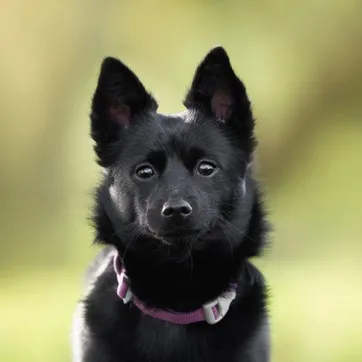
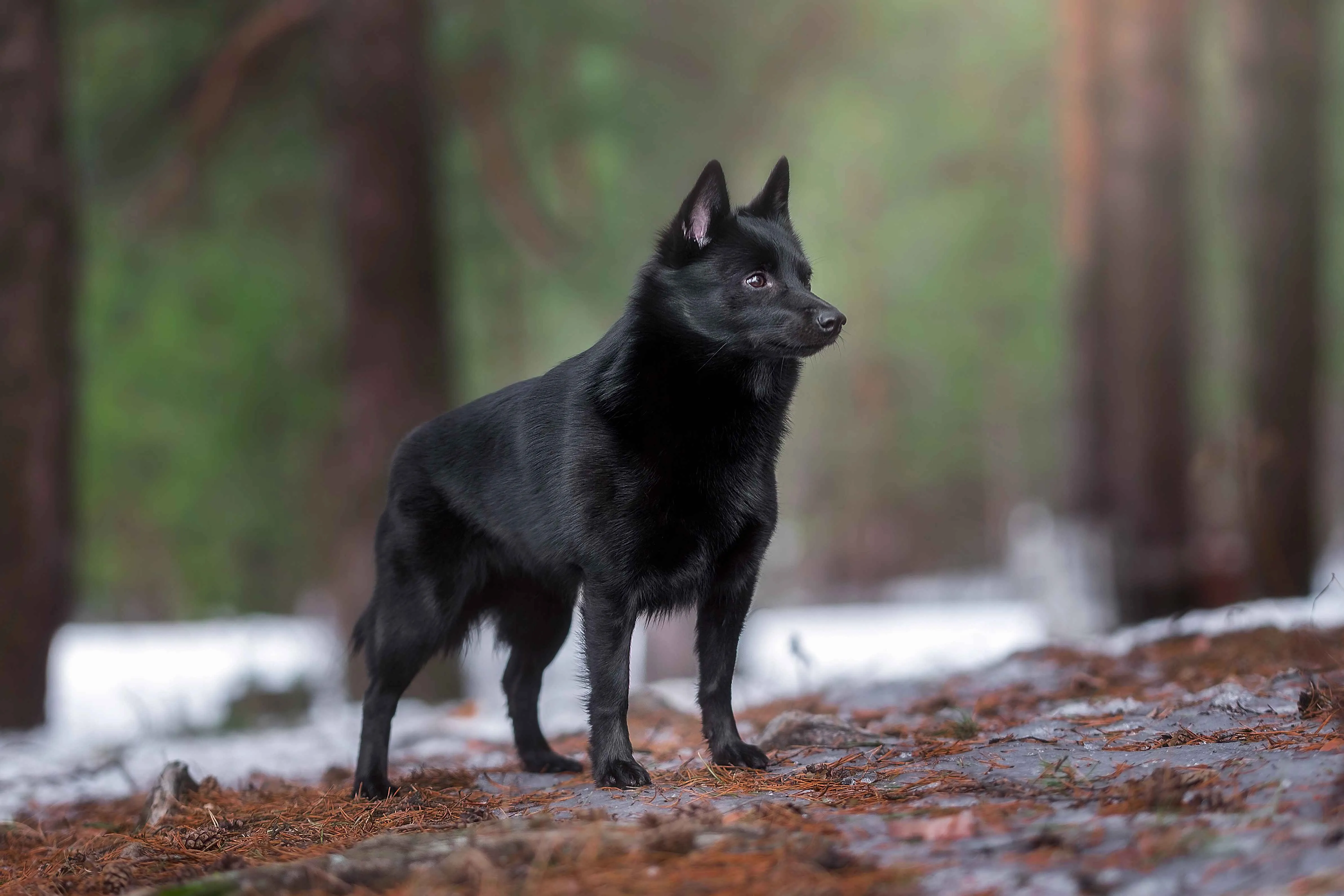
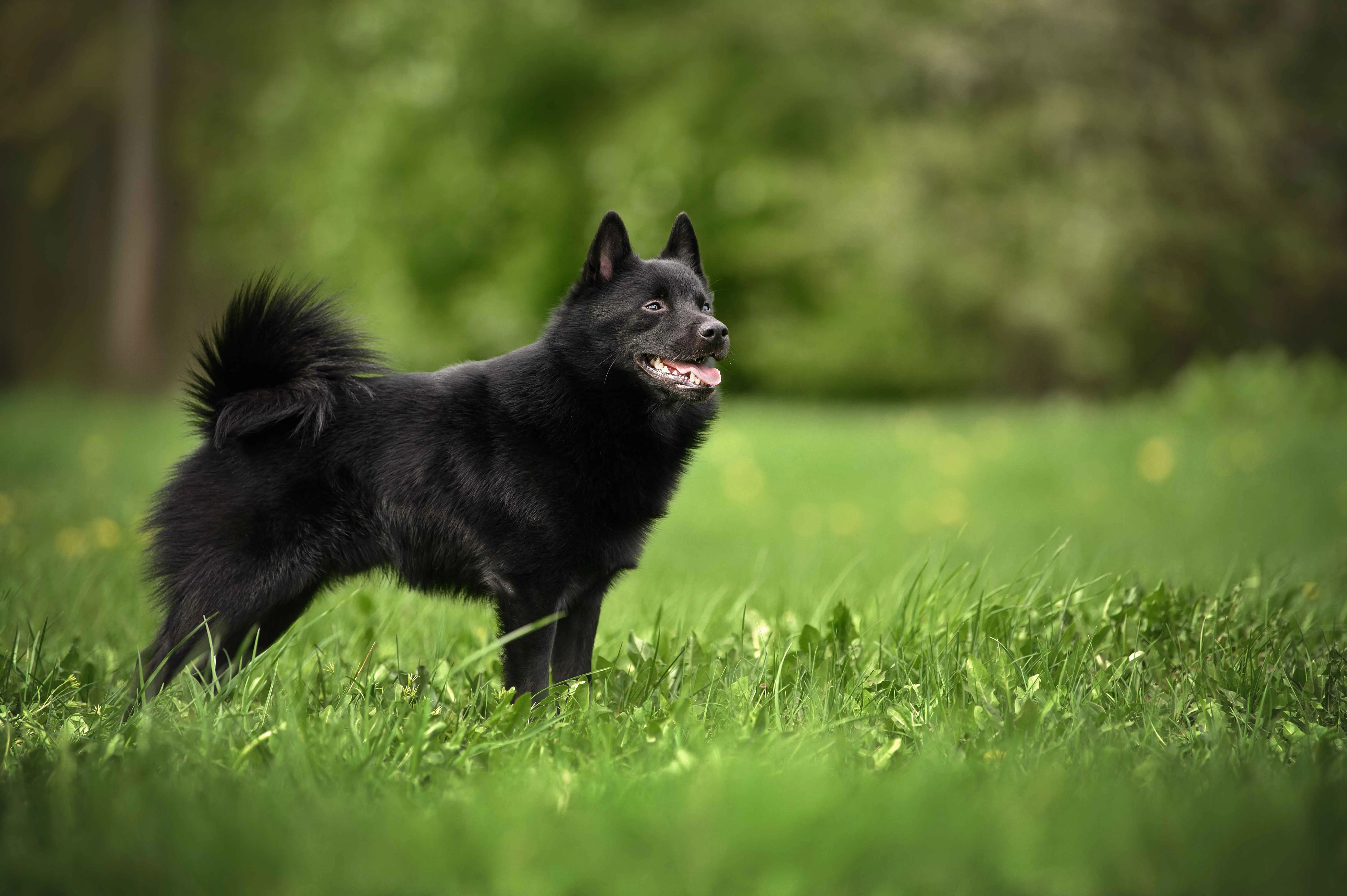
With jet-black fur and bright, curious eyes, Schipperkes has found countless admirers across the globe. The smallish yet stocky dogs of Belgium are famed very much for their unbridled energy power and friendly disposition. They may not be as common as certain other breeds, but steadily, they are gaining popularity among people who appreciate compact, alert, and sturdy canine companions.
When you meet a Schipperke, you will wonder why you do not already own one. Their foxy face matched to their sprightly nature creates a royal concoction of mischief and loyalty. This makes them one of the most wonderful companions for many households.
The barge itself had watchdogs and rodent hunters, hence the name Schipperke, meaning little captain in Flemish. As the SCA claims, Schipperkes were first imported into the U.S. in 1888. The breed was subsequently recognized by the AKC in 1904.
Lifespan of the Schipperkes
Schipperke is not just a lovable and loyal breed; it's also very caring for kids and makes an ideal family friend. They are relatively healthy breeds and have an average lifespan of 12 to 16 years.
What Are The Schipperkes Traits & Characteristics?
They are small and spunky, funny and loyal. When you once hang out with them, you will fall head over heels in love with one. Here are their traits and characteristics:
Physical Traits of Schipperkes
- Male height - 18-19 inches.
- Female height - 17-18 inches.
- Male weight - 55-70 pounds.
- Female weight - 40-55 pounds.
- Coat type - Smooth.
- Coat length - Short.
Behavioral Characteristics of Schipperkes:
If bored and unstimulated, they turn into excessive barkers, chewers, or diggers. Walk your Schipperke often; spend time with them doing other brain activities like puzzles and games. An active and intelligent dog like the Schipperke will need many outlets for their energetic self.
As a consequence of their historic function as rodent hunters, some Schipperkes have a high prey drive and will chase small birds, rodents, reptiles, and sometimes even cats. With proper socialization, they could learn that the cat is not something to be chased, but you should always put your Schipperke on a leash or in a fenced area when they are outside. Otherwise, your little dog can dart off chasing after a squirrel.
Temperament of the Schipperke Dogs
Despite being small in size, Schipperkes are active and confident dogs. According to the SCA, these little black dog breeds are interested in much of the environment, while they retain a loyal, independent personality. Schipperkes love their human family members as they are also called "Velcro dogs." They are also very much affectionate and tolerant to gentle children who play with pets.
Characteristics
Barking
Quiet
Loud
Temperament with Kids
Aggressive
Friendly
Playfulness
Silent
Very Playful
Friendliness
Not Friendly
Super Friendly
Compatibility with other dogs
Aggressive
Friendly
Need for attention
Independent
Very Needy
Monthly Expenses


How Much Does Schipperkes Puppy Cost?
Cost of buying
₹ 25,000 - ₹ 80,000
Because Schipperke puppies are quite rare in India, their prices are affected by certain considerations such as the breeder's reputation, the bloodline, and the location. In India, the price of a Schipperke puppy normally falls in the range of ₹20,000 to ₹50,000.
Buying the Schipperke
Finding an authentic breeder that guarantees health, temperament, and pedigree is crucial when shopping for a Schipperke. This lively, intelligent breed is rare in India. Always check health certificates, visit the breeding premises, to obtain a well-bred happy companion.
Adopting the Schipperke
A Schipperke actually gives loyal companionship to the energetic dog and offers an alternative to rescue dogs. These intelligent, agile dogs need an active home. Check out available breed-specific rescues or shelters for Schipperkes in need of homes. Adoption is relatively cheap and often provides vaccination for a well-prepared furry friend.
Here are some of the breeds that are similar to Schipperke -
Akita | American Eskimo Dog | Finnish Spitz | Icelandic Sheepdog | Samoyed | Chow Chow | Shiba Inu |
Prerequisites to pet a Schipperke
Time and Effort
Access to Groomer
Access to Veterinary
Financial Capability
Lifestyle Compatibility
Appropriate Climate
Best Practices to Follow While Shopping or Adopting Schipperke
- Select a Trustworthy Breeder- If buying from someone, make sure the breeder is a responsible breeder.
- Check the Health Clearances - The puppy or dog has been tested for genetic disorders.
- Management of Living Conditions- Visit the breeder or shelter to ensure clean and humane conditions.
- Inquire about Vaccination & Medical History- Confirm deworming, vaccination, and overall health status.
- Sign a Proper Agreement- Put into legal papers in terms of health guarantee and adoption agreement.
Nutrition Guide of the Schipperke
Monthly Food Expenses
₹ 1,200 - ₹ 1,800
Calories per day
Puppies: 400 kcal
Adults: 300 kcal
Essential Nutrients
Carbohydrates
Minerals
Fats
Vitamins
Protein
Fibre
List of foods
Chicken
Dry Dog Food
Fresh Meat
Fresh Fish
Vegetables
Home made meals
PetMD points out that the diet of Schipperkes may benefit from some addition of omega-3 fatty acids. Omega-3 fatty acids are incorporated in supplements for skin and joint support, fish oil, and some specially formulated dog foods. These fatty acids act as natural anti-inflammatories that help support the skin, coat, kidneys, joints, and heart.
The adult Schipperkes must be fed in measured amounts twice a day. Puppies, on the other hand, should be fed a minimum of three times daily because of their threat to low blood sugar levels. You can offer meals in a snuffle mat or slow feeder bowl to add stimulation for your pet's enhanced mental state.
Note: These are general guidelines. Consult a veterinarian to determine the specific dietary needs of your dog.
Breakdown of Macro-nutrients
Selecting Good Quality Food for your Schipperke
Schipperkes should eat high-quality dry food, divided between two meals. The amount varies according to the dog's weight and activity level. The generally recommended food for a Schipperke would be approximately ¾ to 1½ cups of dry food per day.
- Whole grains are okay but not above corn or wheat.
- Include fibrous vegetables for good support to digesting.
- Give your dog the treats in small quantities and select good ones, such as pure yogurt or fresh fruits.
- Include protein sources in their diet, like, Turkey breast, Chicken breast, Lamb, Salmon, and Duck.
- Include complex carbohydrates in their diet, like, Oatmeal, Brown rice, Quinoa, and Sweet potato.
- Include healthy fats in their diet, like, Coconut and Fish oil.
Never Feed these Foods to Schipperke
Avoid anything with these ingredients
Avocados
Cherries
Cinnamon
Coffee / Tea
Lemon
Grapes
Mushrooms
Onions
Xylitol
Salt
Sugar
The taste might vary for every dog, as they have varying taste palettes. But, there should be specific foods that your Schipperke is not to be fed, as these can range from toxic to mild digestive discomfort. It includes:
- Toxic foods include chocolate, grapes, raisins, onions, garlic, and avocado. These can be extremely harmful to dogs, and they should never be fed to them.
- Sugar and artificial sweeteners should be kept to a minimum, as certain varieties can be toxic, the most notorious being Xylitol.
- While some fat is important in the diet of Schipperke dogs, too much fat can lead to obesity and digestive upset.
- Dough that has not been cooked can expand the dog's stomach from yeast and cause great damage.
- These dogs are lactose-intolerant, so regular milk or cheese should be avoided.


Health Guide for Schipperke Breed
Avg Monthly Expenses
₹ 900 - ₹ 1,800
Common Health Issues
Canine distemper
Canine Influenza
Heartworm
Kennel Cough
Hip Dysplasia
Leptospirosis
Parvovirus
Rabies
Well being
Exercise
Agility Training
Bonding
Games
Socialization
Energy Level
Medium
Exercise routine
30 - 60 minutes
Recognising Stress
Changes in appetite
Reluctance to move
Excessive Barking
Pacing
Excessive Panting
Increased laziness
Decreased play
Health Issues found in Schipperke
Such an affectionate breed, Schipperke dogs can live from 12 to 16 years, just like small and medium-sized dogs. Although generally healthy, this breed has certain health conditions that increase its susceptibility.
- Patellar Luxation: A state in which the kneecap, or patella, does not slide within its normal groove. This results in discomfort and the likelihood of arthritis development in later years.
- Progressive Retinal Atrophy (PRA): Progressive retinal atrophy is a degenerative disease causing blindness and, later, total blindness, especially nighttime blindness.
- Hypothyroidism: Underactivity of the thyroid means reduced metabolism; often the body's immune system attacks its own thyroid.
Vaccination details
Growth Stage
Core Vaccines
6-8 weeks
Distemper, Parvovirus, Adenovirus
10-12 weeks
Distemper, Parvovirus, Adenovirus
14-16 weeks
Rabies
Senior Dog Care for Schipperke Breed
Senior Schipperkes requires a highly nutritious diet, regular exercise, and dental care. They are also susceptible to some health-related issues like cataracts, blindness, and other eye problems. Here are some care tips you should follow:
- Feed your dog twice a day, considering its age, health, and size.
- Let your dog enjoy daily walks and playtime for physical activity and mental stimulation.
- Groom your dog weekly to remove loose hair and to avoid any tangling.
- Have your dog tested for fleas, ticks, heartworms, roundworms, and other parasites.
- If Schipperkes are not mentally and physically stimulated sufficiently, they can engage in destructive behaviors such as chewing and digging.
Important Note: This information is for general guidance only. Always consult a qualified veterinarian for personalized advice.
Grooming for the Schipperkes Dog Breed
Avg Monthly Expenses
₹ 1,200 - ₹ 1,800
Shedding Level
Moderate Shedding
Hygienic Checklist
Bathing
Brushing
Nail Trimming
Ear Cleaning
Teeth Care
Eye Care
Benefits of Grooming
Cleanliness
Low Shedding
Odourless
Prevents Bad Breath
Prevents infections
Quality of life
- The Schipperke's black coat requires low maintenance and needs to be brushed weekly to remove loose hair.
- The act of brushing becomes even more intense during the shedding periods. This helps prevent excess hairs from collecting inside the house.
- Their coat does not need trimming. Only bathe them with a mild pet shampoo then towel or blow dry them for a shiny coat.
- Brush the teeth of the dog daily with a soft toothbrush along with pet-safe toothpaste.
- Trim nails every few weeks to keep the paws healthy and hygienic.
- Check the ears regularly and clean them with a pet-safe ear cleaner using cotton balls or gauze.


Written by
Happy Pet TeamAuthor
Team Happy Pet is a passionate collective of pet experts, enthusiasts, and advocates dedicated to sharing trusted and insightful content.
Our cont
Frequently Asked Questions
Are Schipperkes good apartment dogs?
Schipperkes do well in small spaces such as apartments due to their small size. They tend to bark at every little sound, which can pose a hassle for an apartment dweller with their incessant barking.
Do Schipperkes bark a lot?
Yes, they do bark a lot, and that is one of the reasons why they can serve as good watchdogs. Training them not to bark excessively would be helpful.
Are Schipperkes susceptible to obesity?
If Schipperkes are not given the right activity and portion control, they may gain weight. Keep a close eye on their nutrition and engage them in regular physical activity.