Home
/
Dog Breeds
/
Spanish Water Dog
Spanish Water Dog
Origin
Spain
Size
Medium Breed
Ideal Space
House with backyard
Ideal Weather
15º-24ºC
Life Expectancy
12-14 years
Cost of buying
₹ 60,000 - ₹ 1,00,000
Top 5 Traits
Athletic
Intelligent
Loyal
Energetic
Protective
Avg Monthly Expenses
₹ 3,550 - ₹ 5,400

by Happy Pet TeamUpdated on 7 Oct 2025
Brief introduction to Spanish Water Dog breed
The Spanish Water Dog is a diligent and loving dog that has a curly coat and adaptive abilities. The canine was originally bred in Spain to herd animals and help fishermen but has reached the level of being a caring family member. Spanish Water Dogs are wise, lively, and perceptive, making them ideal for working families. Understanding their needs enables you to have a healthy and joyful dog.
History of Spanish Water Dog
The Spanish Water Dog is an old Spanish breed dating back centuries. They were used by farmers to herd sheep and goats and by fishermen to bring back things from the sea and protect boats. They were functional working dogs according to their strength, agility, and versatility. Over time, they also found a place in family life and are now loved all over the world as all-around companions.
Appearance highlights of Spanish Water Dog
- Weight: 30–50 pounds
- Construct: Active, muscular, and well adapted to herding and swimming
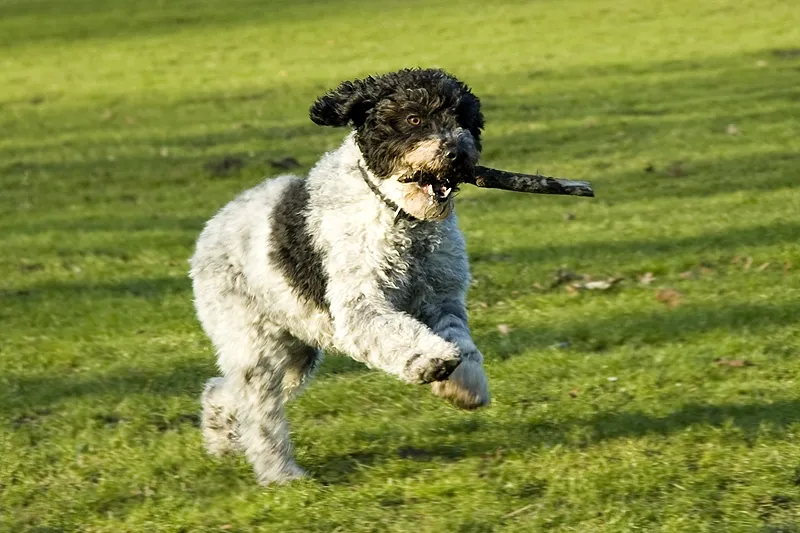
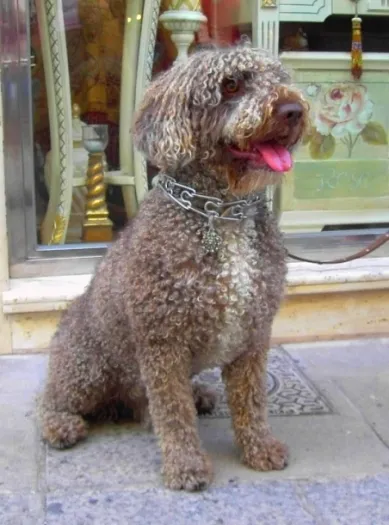
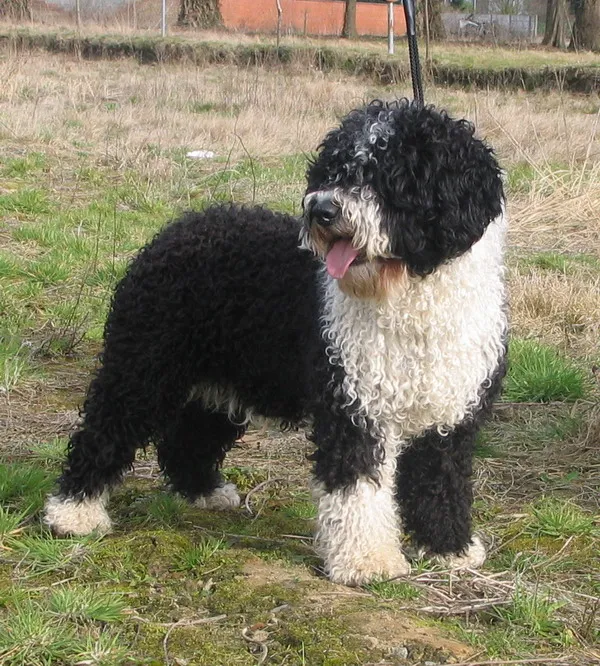
- Coat: Curly and prone to forming cords if not clipped
- Colors: Beige, brown, black, white, or bicolor shades
- Ears: Almond-shaped and expressive
- Tail: Naturally short or docked
Temperament and Personality of Spanish Water Dog
Spanish Water Dogs are loyal, protective, and affectionate. They strongly bond with families and make wonderful companions. Their guard instinct turns them into excellent watchdogs. Towards strangers, they may seem cautious but quickly become friendly after proper introduction.
Key temperament traits of Spanish Water Dog:
- Smart, quickly learns
- Strong guardian instinct
- Very active and playful
- Good with kids and other animals if properly socialized
Training Tips for Spanish Water Dog
Spanish Water Dogs are extremely sensitive to persistent training. They are intelligent, desire to please, and respond beautifully to positive reinforcement.
Training necessities for Spanish Water Dog:
- Start early with obedience and socialization.
- Keep the sessions brief, fun, and engaging.
- Use rewards and positive praise.
- Engage them in games like agility, obedience, and herding.
Exercise Requirements for Spanish Water Dog
Spanish Water Dogs are high-energy dogs and require a minimum of one hour of exercise daily. If they don't exercise enough, they become destructive.
Excellent activities of Spanish Water Dog includes:
- Swimming
- Long walks or running
- Fetch games
- Agility and puzzle games
- Herding exercises
They enjoy tasks and responsibilities, so structured activities are best.
Characteristics
Barking
Quiet
Loud
Temperament with Kids
Aggressive
Friendly
Playfulness
Silent
Very Playful
Friendliness
Not Friendly
Super Friendly
Compatibility with other dogs
Aggressive
Friendly
Need for attention
Independent
Very Needy
Monthly Expenses


Price Guide for Spanish Water Dog
Cost of buying
₹ 60,000 - ₹ 1,00,000
The price of Spanish Water Dog in India varies according to the breeder's reputation, area, and the bloodline of the dog. On average, it costs between ₹60,000 – ₹1,00,000.
The price of Spanish Water Dog is influenced by:
- Breeder Quality – Healthy bloodlines from well-known breeders command a higher price.
- Health and Vaccinations – Puppies with recent medical certificates are more expensive.
- Import or Local Breeding – Imported Spanish Water Dogs tend to be more expensive than locally bred ones.
- Training and Socialization – Already trained puppies in basic commands may be more valuable.
Having a Spanish Water Dog is also accompanied by monthly costs for food, grooming, and vet bills. Budgeting for long-term care is just as significant as the purchase price.
Similar Breeds to Spanish Water Dog
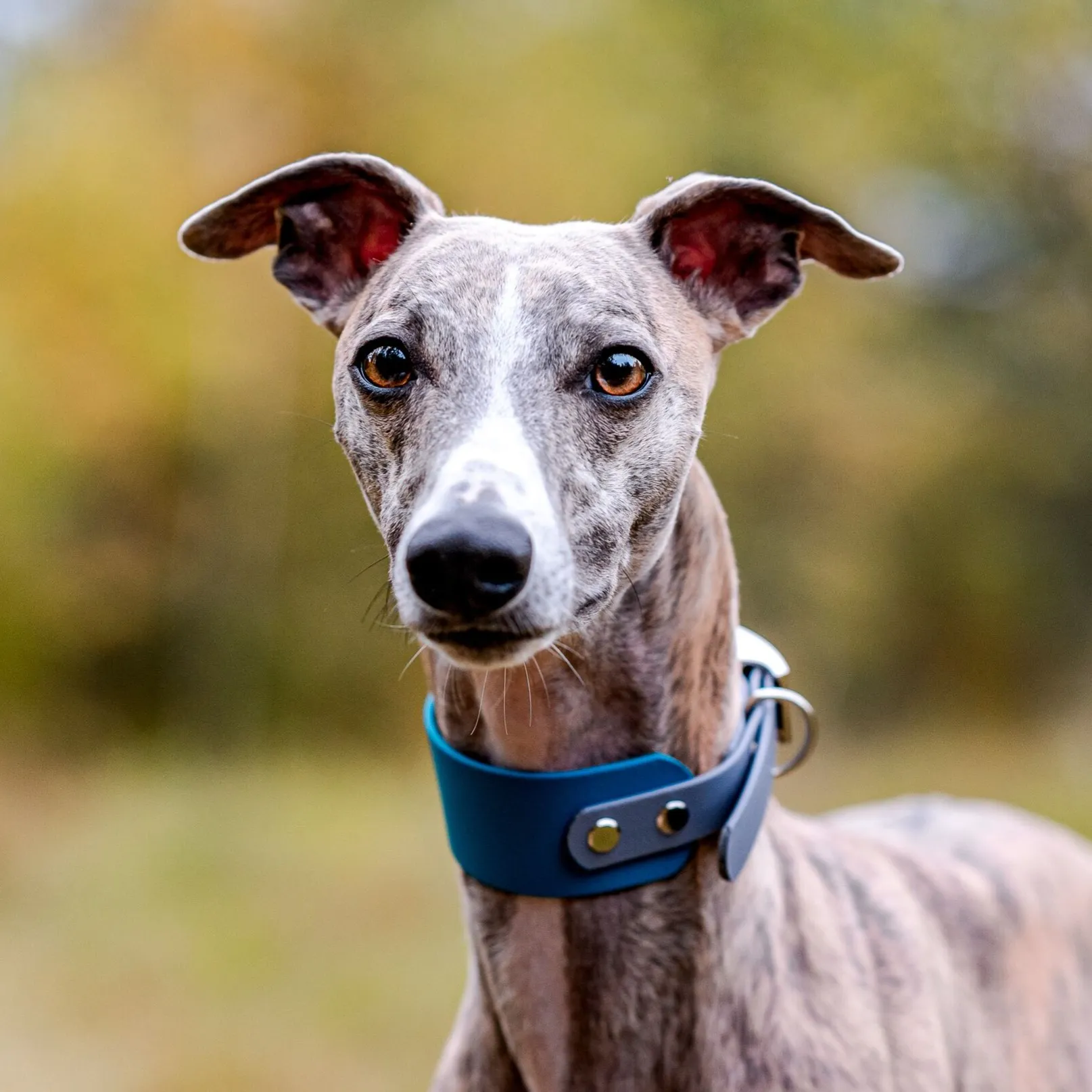
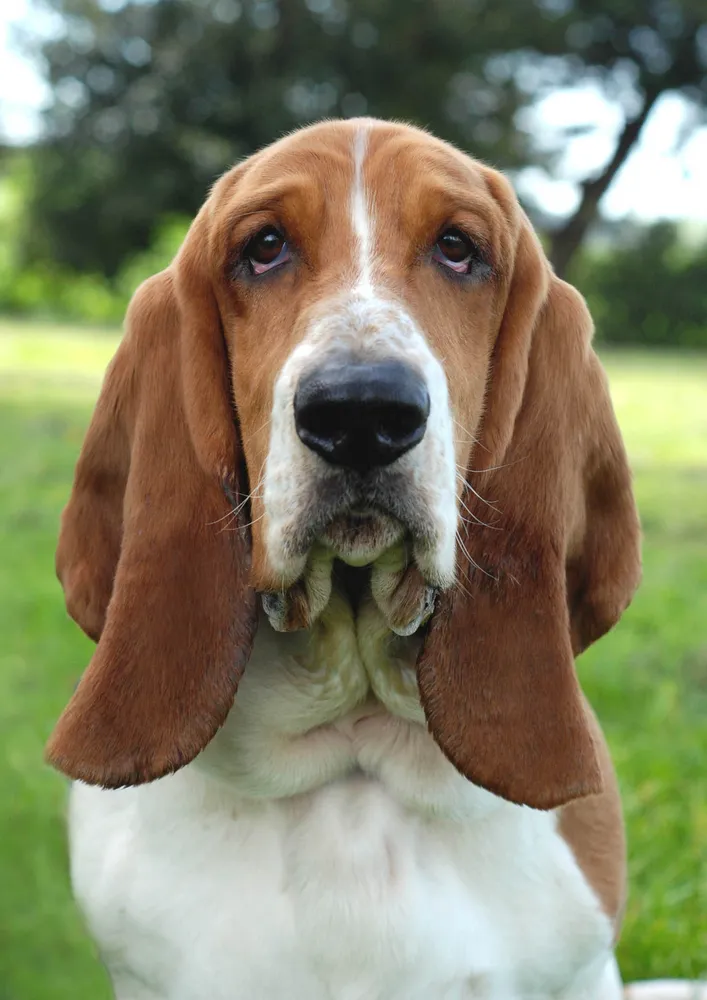
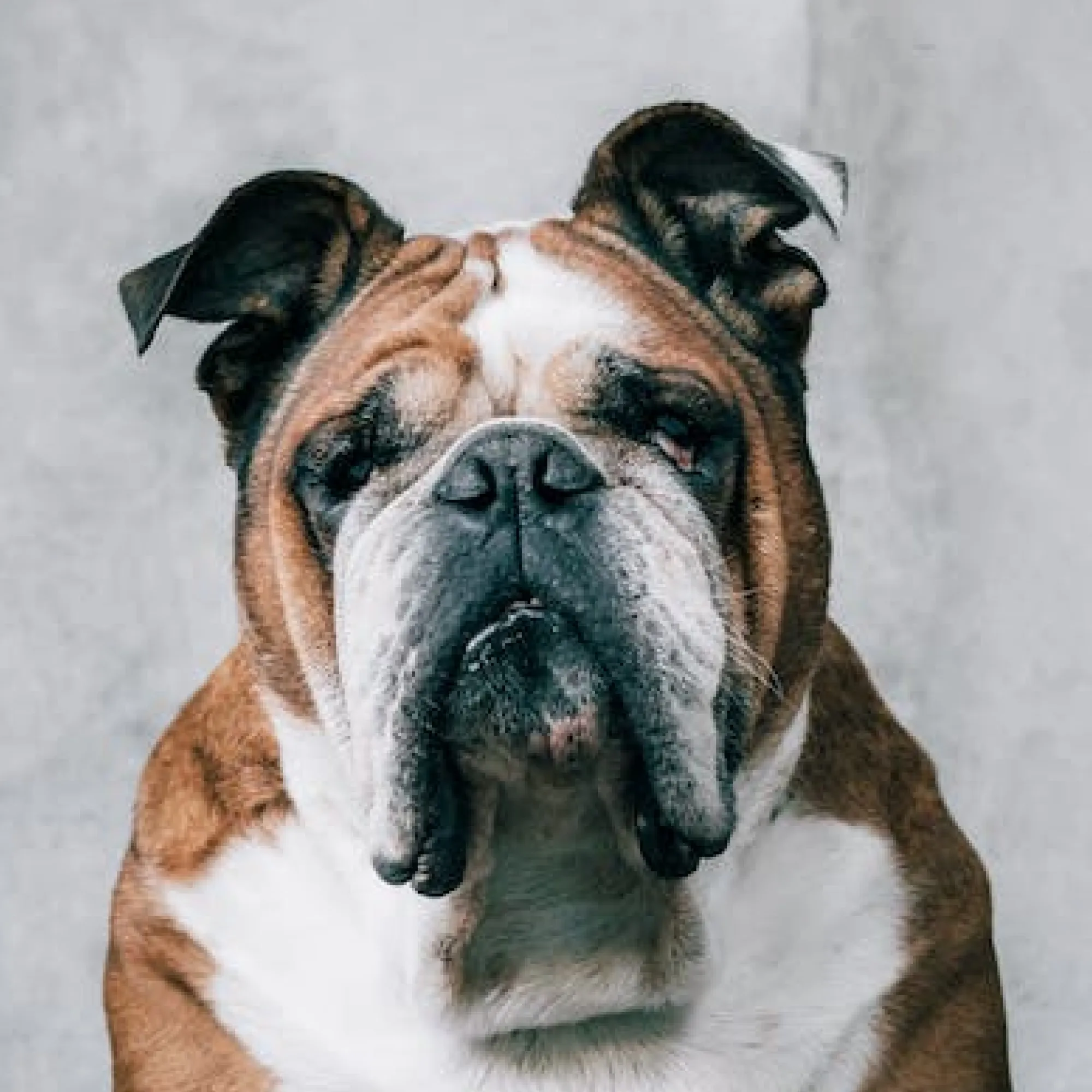
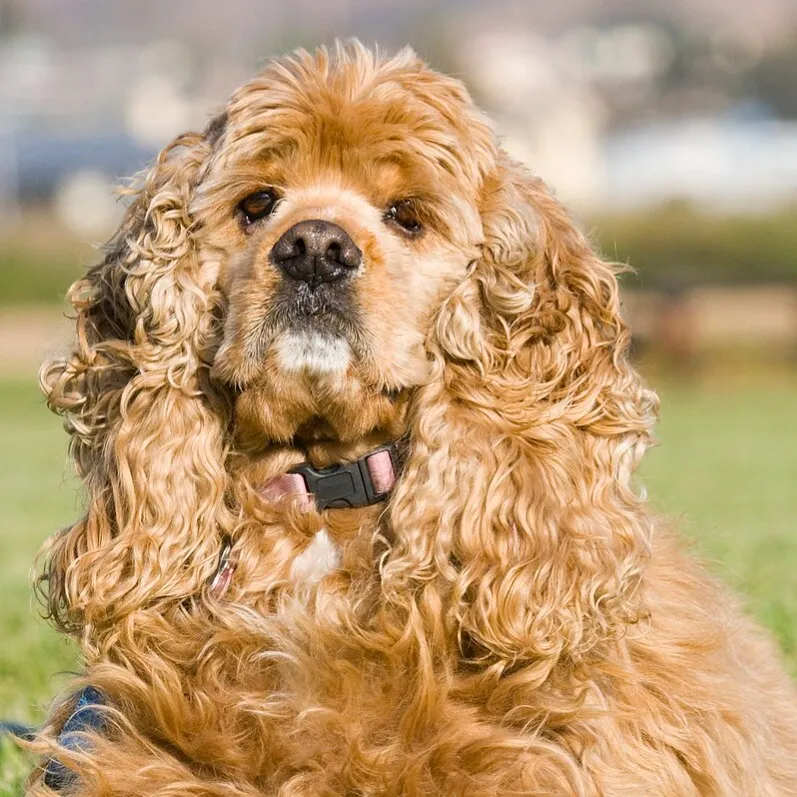
If you enjoy the Spanish Water Dog but would like to consider alternative breeds, take a look at these:
Prerequisites to pet a Spanish Water Dog
Access to Groomer
Access to Veterinary
Appropriate Climate
Lifestyle Compatibility
Financial Capability
Space and Environment
Research Before Adopting or Buying a Spanish Water Dog
Before getting a Spanish Water Dog as a pet, research has to be conducted cautiously to determine whether the breed is appropriate for your lifestyle and aspirations.
1. Research the Breed
- Know about the temperament, energy, grooming, and exercise requirements of the Spanish Water Dog.
- Know about potential health issues, such as hip dysplasia or ear infection, and how to cure them.
2. Find Reputable Sources
- When buying, find breeders who emphasize health, temperament, and socialization.
- When adopting, visit animal shelters, rescue organizations, or breed-specific rescues.
- Avoid puppy mills or backyard breeders.
3. Visit the Breeder or Adoption Facility
- Observe the puppies or adult dogs in person.
- Observe their conduct and surroundings.
- Ask about vaccinations, deworming, and early socialization.
4. Ask for Papers
- From breeders: request pedigree papers, vaccination history, and health certificates.
- For adoption: request history of past health, behavior, and any previous care the dog has received.
5. Prepare Home
- Prepare your Spanish Water Dog's new home to be safe and comfortable.
- Establish necessities like food bowls, beddings, toys, and grooming equipment.
- Prepare your home for a high energy and active breed.
Nutrition Management for Spanish Water Dog
Monthly Food Expenses
₹ 2,250 - ₹ 3,000
Calories per day
Puppies: 1200 kcal
Adults: 1100 kcal
Essential Nutrients
Protein
Fats
Carbohydrates
Fibre
Vitamins
Minerals
List of foods
Chicken
Vegetables
Dry Dog Food
Fresh Meat
Fresh Fish
Fruits
Mutton
Home made meals
Correct nutrition of a Spanish Water Dog is important in maintaining their well-being, energy, and vigor. Their nutritional requirements shift with age, and the most advisable course of action is to change portions and quality according to their age.
Feeding Regimen for Spanish Water Dog
1. Puppies (Less than 12 Months)
- Top-level puppy food with abundant protein to fuel growth.
- 3–4 times a day in small amounts to maintain energy.
- Seek out DHA and omega-3 fatty acids for brain and eye growth.
2. Adult (1–7 Years)
- Moderate protein and healthy dog food.
- 2 meals a day for steady energy.
- Add lean meats, whole grains, and vegetables for added nutrition.
3. Seniors (7+ Years)
- Less caloric senior dog food with sufficient protein for muscle strength.
- Joint-support supplements such as glucosamine or chondroitin included.
- Small, easily digestible meals twice daily.
Breakdown of Macro-nutrients
Top Foods for Spanish Water Dog
- Dry kibble or canned dog food from well-known brands.
- Lean meat such as chicken, turkey, or fish.
- Carrots, peas, sweet potatoes, and spinach.
- Brown rice, oatmeal, and barley.
- Omega foods such as salmon oil for the health of the coat.
Foods Not to Give a Spanish Water Dog
Avoid anything with these ingredients
Garlic
Alcohol
Almonds
Avocados
Milk Products
Cinnamon
Coffee / Tea
Fruit seeds
Salt
Sugar
Dairy
Onions
Mushrooms
Cherries
Grapes
Lemon
- Chocolate, caffeine, and alcohol.
- Onions, garlic, and grapes.
- Processed or fried human food.
- Too much salt and sugar.
- Bones that are splintered, especially cooked bones.


Health Considerations for Spanish Water Dog
Avg Monthly Expenses
₹ 600 - ₹ 1,200
Common Health Issues
Hip Dysplasia
Progressive Retinal Atrophy (PRA)
Skin Allergies
Patellar Luxation
Ear Infections
Epilepsy
Autoimmune Disorders
Eye Disorders
Well being
Agility Training
Exercise
Bonding
Socialization
Games
Energy Level
High
Exercise routine
60 - 90 minutes
Recognising Stress
Changes in appetite
Excessive Barking
Pacing
Excessive Panting
Reluctance to move
Increased laziness
Decreased play
Common Health issues in Spanish Water Dogs
Spanish Water Dogs are healthy dogs but can be prone to the following conditions:
- Hip dysplasia: incorrect formation of the hip joint that causes pain or arthritis.
- Progressive retinal atrophy (PRA): eye illness that results in blindness in stages.
- Hypothyroidism: thyroid illness that depresses the metabolism.
- Ear infections (because of frequent swimming): usual due to fondness for water and curly ear hair clogging the ears with water.
General Health and Medical Recommendations:
- Book annual vet check-ups.
- Stay up to date on vaccinations.
- Flea, tick, and heartworm preventatives.
- Clean and dry ears regularly.
- Brush teeth or offer dental chews.
- Maintain a healthy weight to cushion joints.
- Check for vision changes, energy level, or appetite.
- Talk to your vet about spaying or neutering for long-term health.
- Average lifespan: 12–14 years with ideal care.
Vaccination details
Growth Stage
Core Vaccines
6-8 Weeks
DHPP (Distemper, Hepatitis, Parvovirus, Parainfluenza)
10-12 Weeks
DHPP (2nd dose), Leptospirosis
14-16 Weeks
DHPP (3rd dose), Rabies
12-16 Months
DHPP (Booster), Rabies (Booster)
Annually
DHPP (Booster), Rabies (Booster), Leptospirosis
Senior Dog Care Guide for Spanish Water Dogs
- After Spanish Water Dogs reach maturity, they require special attention. Providing proper care enhances comfort and longevity.
- More frequent vet check-ups – twice a year check-ins with lab work.
- Support for joints – supplements and minimal exercise.
- Dietary modification – transition to senior dog food for simpler digestion.
- Mobility aid – ramps or orthopedic beds to make movement easier.
- Regular monitoring – observe for arthritis, vision loss, and reduced activity.
Important Note: This information is for general guidance only. Always consult a qualified veterinarian for personalized advice.
Grooming Requirements For Spanish Water Dogs
Avg Monthly Expenses
₹ 700 - ₹ 1,200
Shedding Level
Low Shedding
Hygienic Checklist
Brushing
Ear Cleaning
Nail Trimming
Teeth Care
Bathing
Eye Care
Benefits of Grooming
Cleanliness
Low Shedding
Odourless
Prevents infections
Quality of life
Prevents Bad Breath
The Spanish Water Dog coat requires special care:
- Never brush the coat (it kills the curls).
- Clip the coat once or twice annually.
- Bathe only when absolutely necessary, and always air dry.
- Trim nails regularly.
- Clean ears and teeth to avoid infection.
Though uncommon for most breeds, grooming is fairly easy once you understand how to do it.


Written by
Happy Pet TeamAuthor
Team Happy Pet is a passionate collective of pet experts, enthusiasts, and advocates dedicated to sharing trusted and insightful content.
Our cont
Compare with similar breeds
Frequently Asked Questions
Are Spanish Water Dogs good for first-time owners?
Yes, but only if the owner is active and happy to train on a regular basis.
Do Spanish Water Dogs shed?
No, they have a curly coat that they shed very little but require to be trimmed.
Can Spanish Water Dogs live in an apartment?
Yes, if they get a lot of daily exercise and mental stimulation.
Are they hypoallergenic?
They are allergy-friendly but not completely hypoallergenic.
How often should I groom them?
Clip their coat every one or two years and never brush them.