Home
/
Cat Breeds
/
Oriental Shorthair
Oriental Shorthair
Origin
Thailand
Size
Medium Breed
Ideal Space
Apartment
Ideal Weather
18º-25ºC
Life Expectancy
12-18 years
Cost of buying
₹ 20,000 - ₹ 60,000
Top 5 Traits
Playful
Curious
Friendly
Affectionate
Vocal
Avg Monthly Expenses
₹ 2,800 - ₹ 4,200
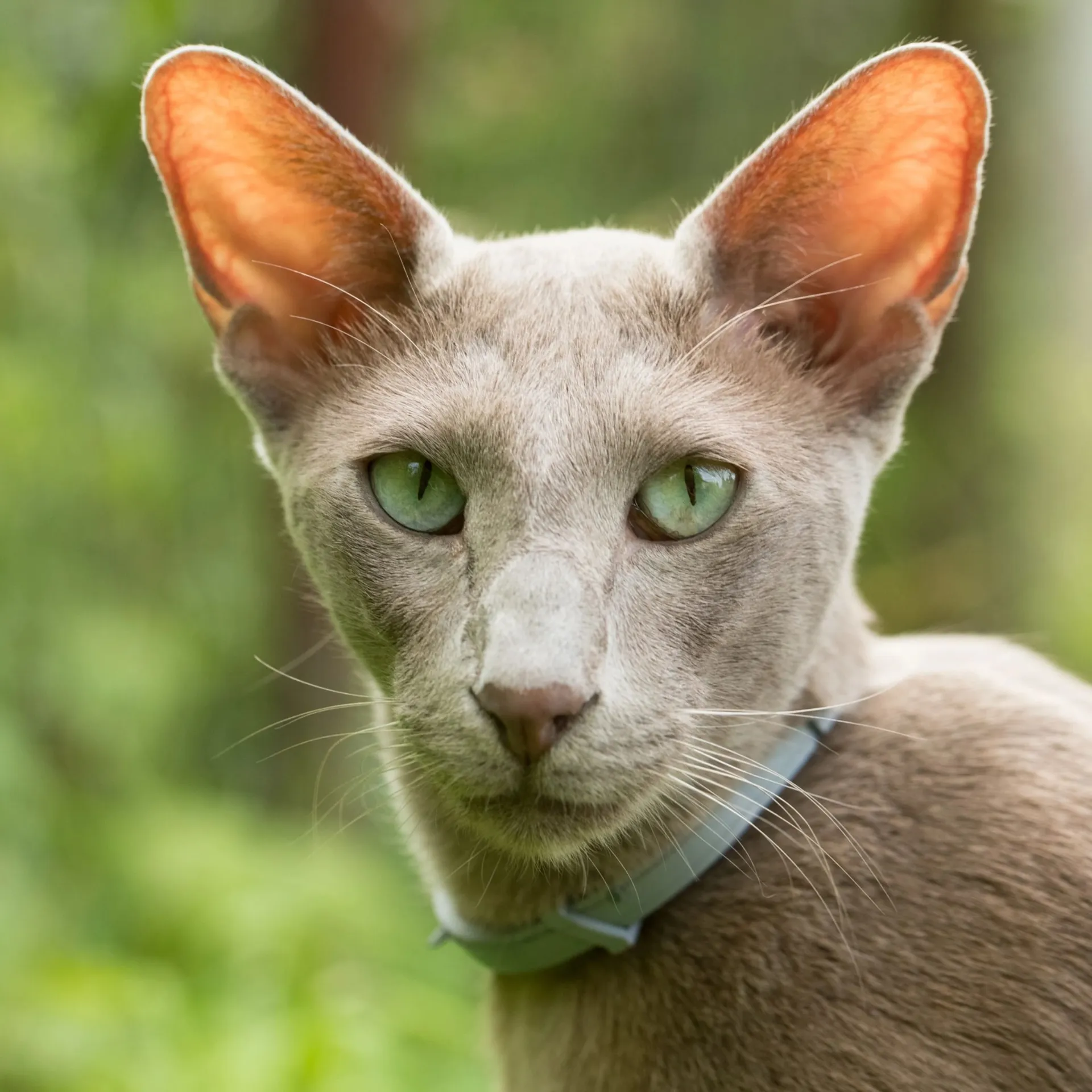
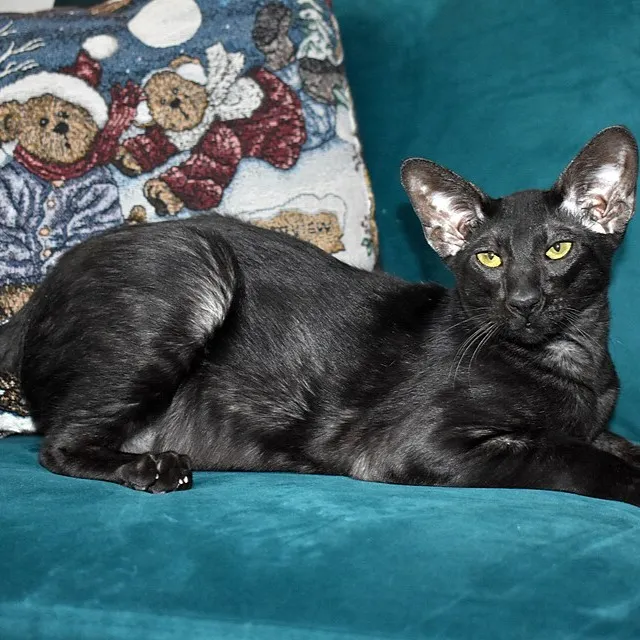
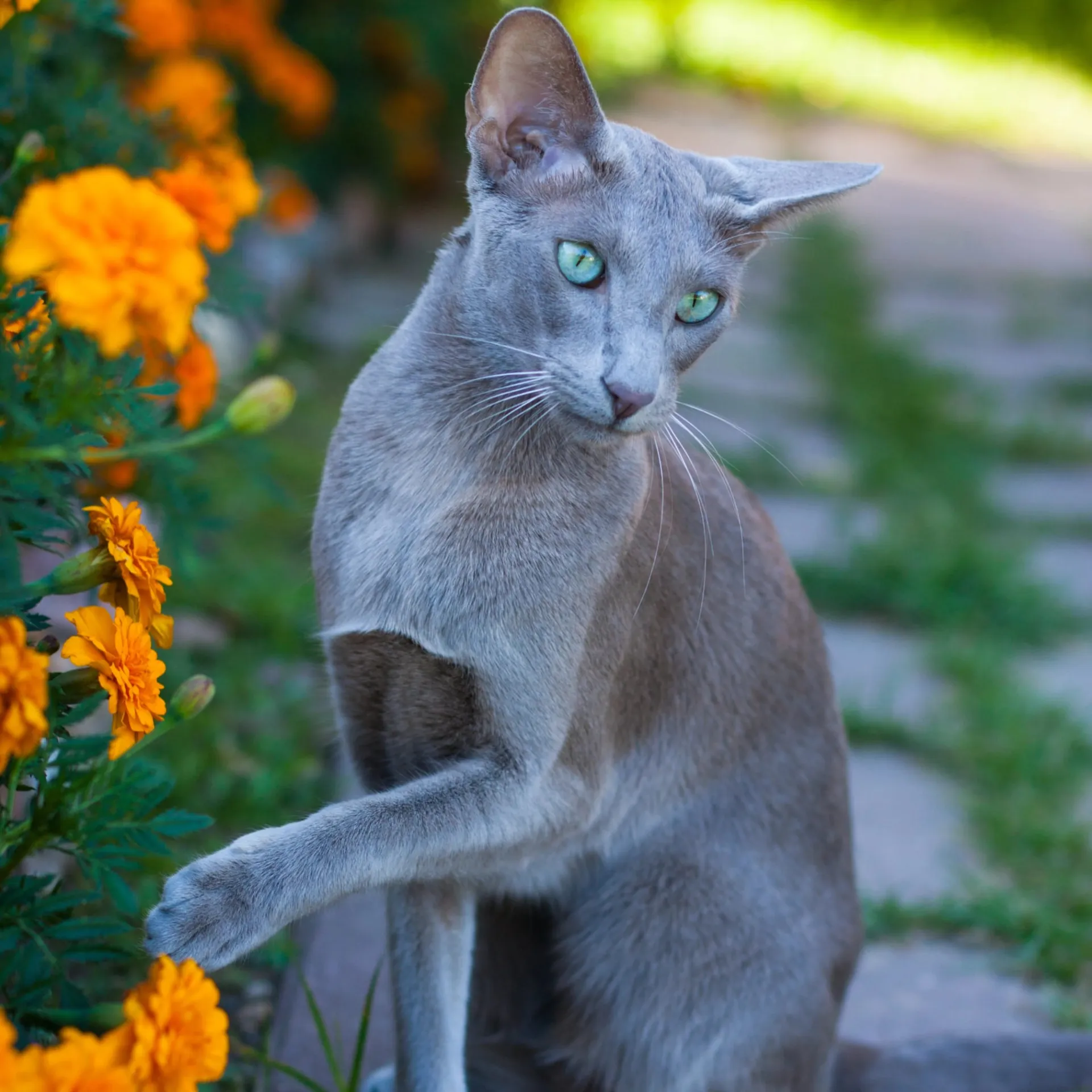
Oriental Shorthair Cat Breed Guide: All You Need to Know
Siamese cats have long been adored in the cat community. But some feline enthusiasts wished for a breed with the same charm and elegance, only with a wider variety of coat colors. That desire led to the creation of the Oriental Shorthair, a striking and expressive Siamese mix.
Oriental Shorthairs are intelligent, graceful, energetic, and endlessly curious. They thrive on love and attention, forming deep bonds with their human families. Always eager to be involved, these cats are natural "supervisors"; expect them to follow you around and "help" with whatever you're doing!
Known for their bold personalities, Oriental Shorthairs love being the center of attention. In fact, according to PetMD, it’s almost impossible to ignore them. Affectionately nicknamed “honking cats,” they don’t meow like other felines; instead, they make a sound that’s often compared to a tiny goose honk, especially when they feel overlooked!
Oriental Shorthair: Physical Traits
- Weight - up to 5 kgs
- Coat Length - Short
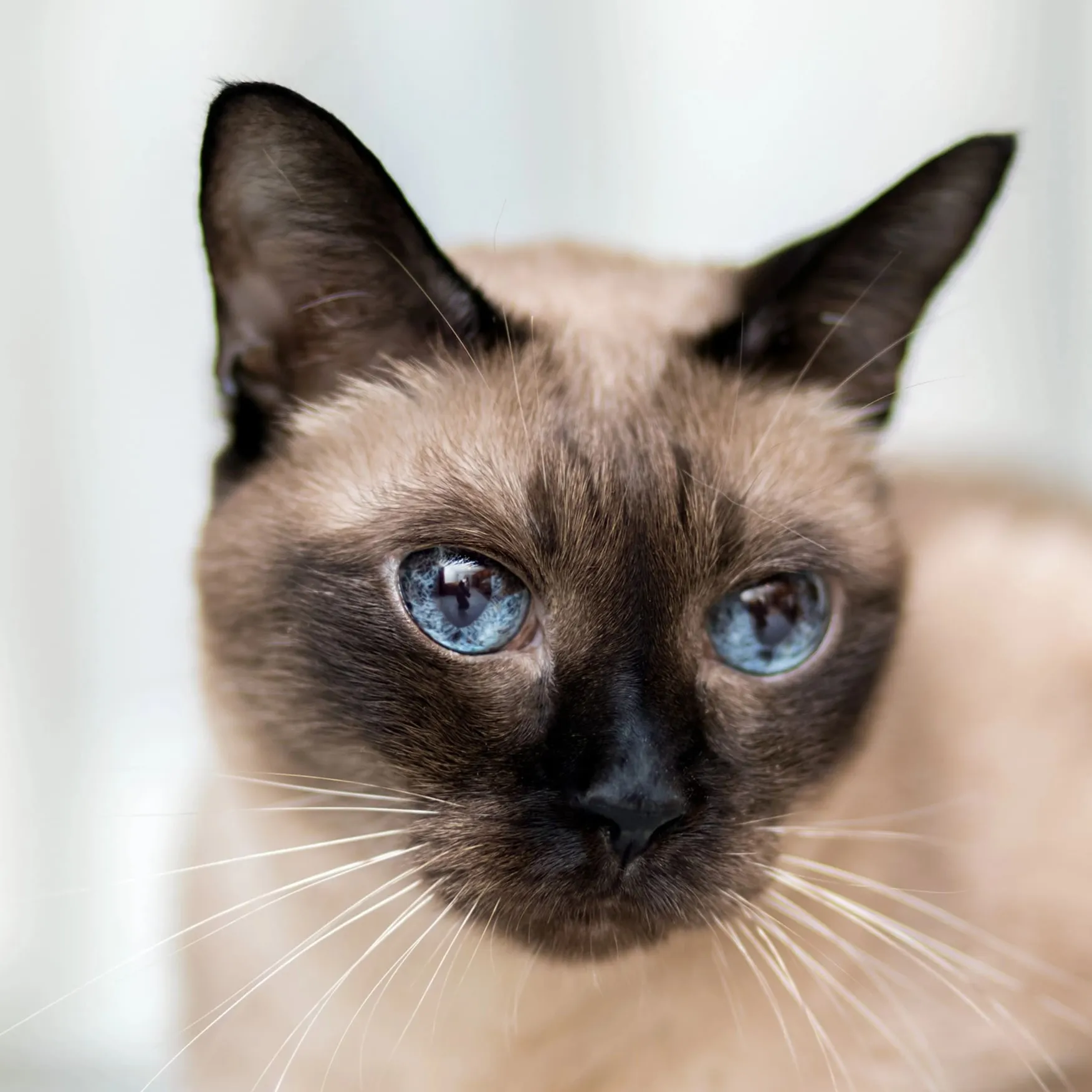
- Coat Colours - There are around 300 colour variants. The most popular ones are white, black, grey, brown, and orange
- Eye Colour - Green, blue, gold, and yellow
Oriental Shorthair Personality: Temperament and Behavior Explained
- They love attention and will become grumpy if left alone for long periods.
- Extremely social and intelligent
- Get along well with kids and other pets
- They are high-energy cats and are always ready to play
- Very affectionate and form close bonds with their humans
How Long Do Oriental Shorthairs Live?
According to the Spruce Pets, the average lifespan of an oriental shorthair is 15 years.
Characteristics
Temperament with Kids
Aggressive
Friendly
Playfulness
Silent
Very Playful
Friendliness
Not Friendly
Super Friendly
Shedding amount
Negligible
Frequent
Compatibility with other cats
Not Friendly
Super Friendly
Prey Drive
Low
High
Need for attention
Independent
Very Needy
Monthly Expenses


Price of an Oriental Shorthair Cat
Cost of buying
₹ 20,000 - ₹ 60,000
The Price of an Oriental Shorthair cat in India varies between ₹ 20,000 to ₹ 60,000.
The price also largely depends on your decision to adopt or buy.
Buying
- Look for trustworthy and ethical breeders.
- The cost depends on the reputation of the breeder, the lineage of the cat, and its potential for show quality.
Adoption
- Visit your local animal shelters and rescues to enquire if they have an Oriental Shorthair for adoption.
- The cost is usually all-inclusive of vaccinations and other initial medical care. The cost may vary, but it is often less than buying from a breeder.
Here are some of the breeds that are similar to the Oriental Shorthair cat breed
Siamese | Bengal Cat | Burmese | Korat
Getting an Oriental Shorthair? Must-Know Tips Before Adoption or Buying
- Adoption priority: Prioritise adopting, as you will be giving a loving home to a cat in need.
- Medical checkup: To rule out any health concerns, make sure the cat has received all recommended vaccinations and get it checked by a veterinarian.
- Compatibility: Spend time with the cat to understand its temperament and energy levels to evaluate if it will be a good match for your lifestyle.
- Cat-proof your home: Stock up on essential supplies like a cat bed, litter, and food bowls to provide your pet with a warm welcome and a comfortable stay.
Oriental Shorthair Feeding Guide: Nutritional Requirements
Monthly Food Expenses
₹ 1,500 - ₹ 2,000
Calories per day
Kittens: 200 kcal
Adults: 250 kcal
Essential Nutrients
Protein
Fats
Carbohydrates
Vitamins
Minerals
Amino Acids (Taurine, Arginine, etc.)
Essential Fatty Acids
Fiber
List of foods
Dry kibble
Chicken (cooked or raw)
Salmon
Mackerel
Carrots (cooked)
Sweet potatoes (cooked)
Eggs (cooked)
- According to PetMd, a cat's primary energy source is protein. So, feed them a diet that is rich in high-quality protein.
- Protein promotes energy levels and muscle growth, whereas fats supply the necessary fatty acids for a healthy skin and coat.
- Look for cat food that has the essential vitamins and minerals to maintain your cat's general health, along with a high-quality protein source listed as the first component.
- Oriental Shorthairs are lean cats and benefit from small meals throughout the day rather than free feeding.
- Keep an eye on portion sizes and use a food measuring scale if needed. Oriental shorthairs are prone to weight gain, and it can lead to other health issues.
- Keep freshwater available at all times to provide hydration.
- Always make sure the diet you choose for your Radoll complies with AAFCO recommendations. This will guarantee that they are receiving a balanced diet tailored to meet their particular requirements.
- Provide a mix of wet and dry food to meet their daily energy needs.
Breakdown of Macro-nutrients
Oriental Shorthair Diet Plan: Tips for a Healthy Cat
- Protein: Chicken, turkey, or fish.
- Kittens: Look for kitten food as their unique formulation is higher in fat and protein than adult cat food.
- Seniors: As Oriental Shorthairs age, keep an eye on the fat levels in their diet to manage their weight and prevent obesity. The diet for senior cats should focus on enhancing their joint health while being easy to digest.
Oriental Shorthair: Dietary Restrictions
Avoid anything with these ingredients
Onions and Garlic
Caffeine
Chocolate
Alcohol
Bones
Raw Eggs
- Foods that are toxic to cats, like chocolates, raisins, grapes, etc, are a strict no as they could be fatal.
- According to Four Paws, their diet should not consist of raw eggs and raw meat, as it carries a risk of salmonella.


Health
Avg Monthly Expenses
₹ 500 - ₹ 700
Common Health Issues
Upper Respiratory Infections
Dental Problems
Hyperthyroidism
Fleas and Ticks
Feline Immunodeficiency Virus (FIV)
Gastroenteritis
Obesity
Hypertrophic Cardiomyopathy (HCM)
Feline Leukemia Virus (FeLV)
Activities
Play with Toys
Chasing Objects
Exploring
Climbing
Scratching
Energy Level
High
Exercise routine
30 - 89 minutes
Recognising Stress
Hiding
Increased vocalization
Decreased appetite
Overgrooming
Changes in litter box behavior
Health Issues in Oriental Shorthair Cats
- Amyloidosis: The abnormal buildup of a fibrous protein called amyloid is known as amyloidosis. Hepatic amyloidosis, or protein deposits in the liver, can affect nearly every tissue or organ, but it is most common in Siamese and Oriental Shorthair cats. Sadly, the illness has the potential to cause death and organ failure. A study that was published in The Veterinary Journal states that cats with amyloidosis usually begin to exhibit symptoms between the ages of one and seven. Symptoms include vomiting, stomach enlargement, loss of appetite, and sudden fatigue. Your veterinarian may perform urine and blood tests along with an ultrasound to check for amyloidosis.
- Pica: Oriental cat breeds are more likely to engage in pica, which is the chewing, sucking, or ingesting of non-food objects, per a study published in the Journal of Veterinary Behavior. Cats with pica are more susceptible to potentially fatal intestinal blockages and poisoning. Consult your veterinarian if your cat stops eating their usual meals or consumes something odd.
- Hereditary Retinal Degeneration (PRA): Cats who are 1 or 2 years old usually show the first symptoms of the illness, which include night blindness and eventual total vision loss. As per PetMD, PRA does not currently have a cure. However, with extra care and attention, cats without vision can still have fulfilling lives.
Vaccination details
Growth Stage
Core Vaccines
8 Weeks
FVRCP
12 Weeks
FVRCP, FeLV
16 Weeks
FVRCP, FeLV
20 Weeks
FVRCP, FeLV, Rabies
Anually
FVRCP, FeLV, Rabies
Oriental Shorthair Grooming Tips: Keep Your Cat Looking Its Best
Avg Monthly Expenses
₹ 800 - ₹ 1,500
Shedding Level
Low Shedding
Hygienic Checklist
Litter Box
Grooming (for some breeds)
Nail Trimming
Fur trimming
Ear cleaning
Benefits of Grooming
Cleanliness
Low Shedding
Odourless
Prevents Bad Breath
Prevents infections
- Skin Care: Although there are no particular bathing or skin care requirements for cats, you should consult your veterinarian if you observe that your cat is excessively grooming, itching, or exhibiting other signs of skin irritation.
- Coat care: Their silky short coat requires very little maintenance. Brush their coat weekly to maintain shine and keep their coat healthy.
- Eye care: Check your cat's eyes frequently for any unusual discharge, as that can indicate a need to visit the vet. Additionally, you should speak with your veterinarian if you see any symptoms of eyesight loss, such as crashing into objects.
- Ear Care: Make an appointment with your veterinarian as soon as you notice any unusual ear discharge, dark particles that resemble coffee grounds (mites), or an unpleasant odor coming from their ears.


Frequently Asked Questions
How much does an Oriental Shorthair Cost in India?
The average price of an Oriental Shorthair cat in India varies between ₹20,000 to ₹60,000.
Are Oriental Shorthairs talkative?
Yes, in addition to their distinctive "honk," Oriental Shorthair cats are known to make a range of vocalizations, including meowing, trilling, and chirping.
Are Oriental Shorthairs hypoallergenic?
No cat is completely hypoallergenic. However, oriental shorthairs do have very short coats.