Home
/
Cat Breeds
/
Javanese
Javanese
Origin
United States
Size
Medium Breed
Ideal Space
Apartment
Ideal Weather
18º-24ºC
Life Expectancy
10-15 years
Cost of buying
₹ 30,000 - ₹ 60,000
Top 5 Traits
Playful
Friendly
Affectionate
Vocal
Active
Avg Monthly Expenses
₹ 2,800 - ₹ 4,200

by Happy Pet TeamUpdated on 27 Jun 2025
Introduction to the Javanese
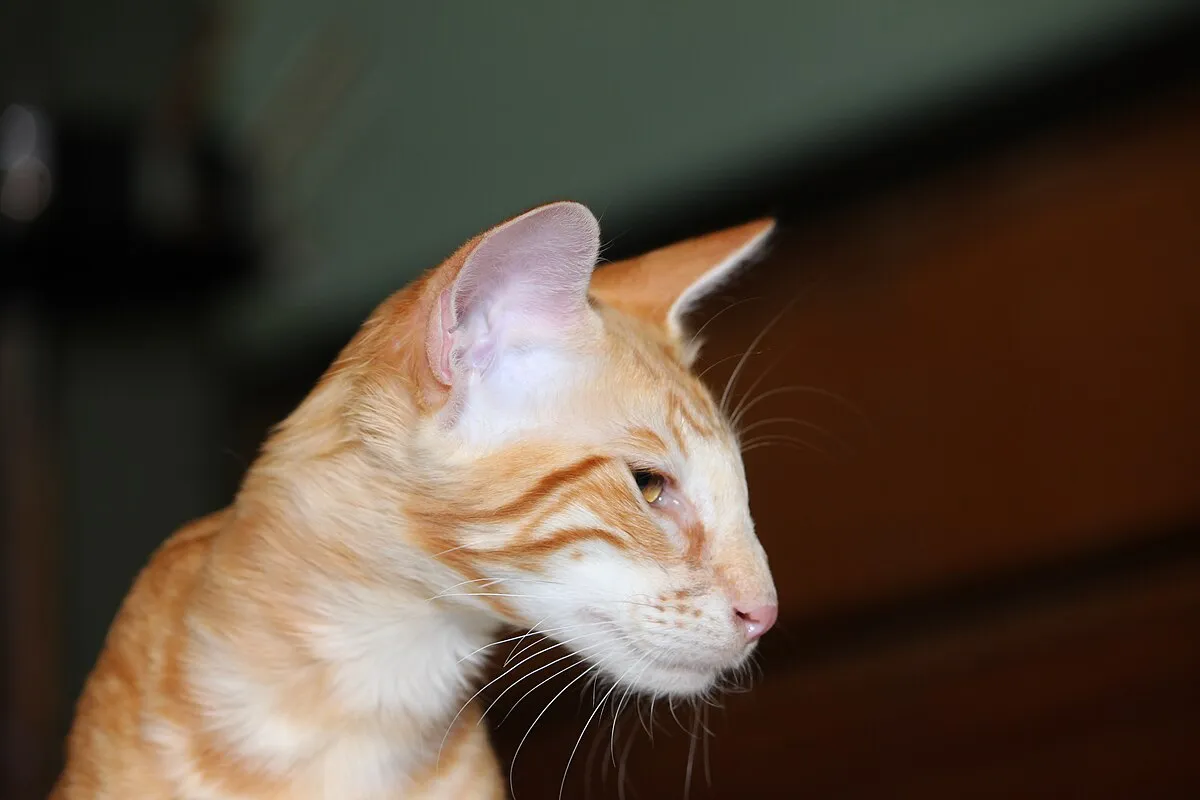
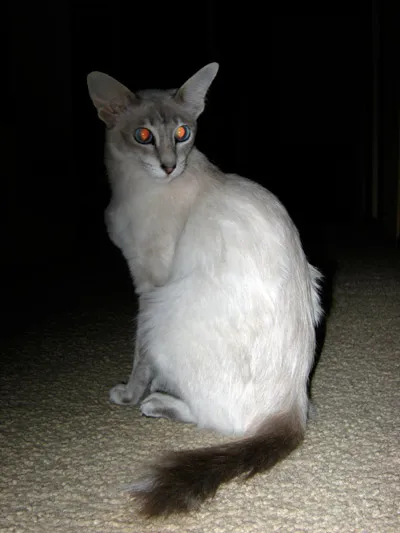
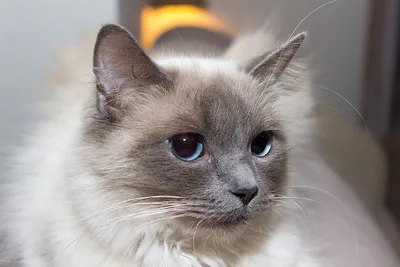
Javanese cat or Colourpoint Longhair is a breed produced in the 1950s in the U.S. Contrary to what its name suggests, it does not have a connection with Indonesia, but the name comes from Java Island to match the Balinese breed’s naming theme.
It is the hybrid of Balinese and Colourpoint Shorthairs, which provides it with both a long and silky coat and a rich variety of colourpoint patterns. Although it was previously known as a different breed, it is now a colour variety of the Balinese, as adopted by the Cat Fanciers Association (CFA).
How Long Do Javanese Cats Live?
Javanese cats usually have a lifespan of 10 to 15 years on average.
Javanese Cat Temperament and Personality
Javanese cats are:
- Very intelligent and playful
- Very affectionate and attached to their humans
- They are athletic and very active.
- Talkative, but slightly quieter than Siamese
- Good with children and other pets
They love attention from their humans and love to play with interactive toys and games.
Javanese Cat Exercise Needs
These cats are highly active and need at least 1 hour of daily play:
- Use wand toys, tunnels, and climbing trees
- Teach tricks—they’re smart and eager
- Use puzzle feeders for mental stimulation
- Let them climb and jump—it keeps them fit
Characteristics
Temperament with Kids
Aggressive
Friendly
Playfulness
Silent
Very Playful
Friendliness
Not Friendly
Super Friendly
Shedding amount
Negligible
Frequent
Compatibility with other cats
Not Friendly
Super Friendly
Prey Drive
Low
High
Need for attention
Independent
Very Needy
Monthly Expenses


Javanese Cat’s Price Guide
Cost of buying
₹ 30,000 - ₹ 60,000
Javanese Cats are rare. In India, expect to pay anywhere between Rs. 20,000 to Rs. 50,000.
Similar Breeds to the Javanese Cat
Shop or Adopt a Javanese: Make the Right Choice!
Responsible shopping will make sure that ethical breeding is taking place while adopting a Javanese will give a loving home to a cat that needs it. Pick based on your ability to keep up with their gentle temperament, grooming needs, and lifespan.
Best Practices for Shopping or Adopting a Javanese
- Select a good breeder or adoption centre.
- Get health screenings for heart disease and dental problems.
- Observe temperament and socialization levels.
- Vaccination, deworming and medical history should be checked.
- Offer a quiet, reasonably comfortable indoor environment.
- Prevent obesity by maintaining a balanced diet.
- They need to be groomed regularly to manage their dense coat.
- Always ensure you keep routine vet visits as a commitment to lifelong care.
Nutrition Care for the Javanese
Monthly Food Expenses
₹ 1,500 - ₹ 2,000
Calories per day
Kittens: 250 kcal
Adults: 300 kcal
Essential Nutrients
Protein
Fats
Carbohydrates
Vitamins
Minerals
Amino Acids (Taurine, Arginine, etc.)
Essential Fatty Acids
Fiber
List of foods
Pumpkin
Eggs (cooked)
Dry kibble
Wet canned food
Salmon
Mackerel
Chicken (cooked or raw)
Turkey
- They require high quality protein for the maintenance of muscle.
- Healthy fats support energy levels and a shiny coat.
- Immunity and joint health are strengthened with the help of essential nutrients.
- Taurine is important for heart and vision health.
- Wet food helps in hydration and urinary tract health.
- It is best to avoid low quality foods to prevent obesity and digestion problems.
- A balanced diet of wet food, lean meats and supplements is vital for overall well being.
Feeding Guidelines for Javanese Cats
Kittens (Up to 12 Months): For fast growth, feed 3-4 meals a day. Try to pick kitten food, which is more than 50% protein.
Adults (1–7 Years): Feed twice a day. To preserve muscle, use food that contains at least 26% protein. Monitor the portion size depending on the level of activity and body weight.
Seniors (7+ Years): Add more protein to preserve ageing muscles. Provide easily digestible food enriched with joint support. Change the intake of calories to avoid gaining or losing weight.
Breakdown of Macro-nutrients
Best Foods for Javanese Cats
Javanese cats do well with premium cat foods such as:
- Royal Canin Indoor or Siamese formulas to promote coat health and digestion. These are custom-made to accommodate silky fur and decrease hairballs.
- Hill’s Science Diet Adult for overall health and immunity. It has antioxidants and balanced nutrition to promote everyday wellness.
- Purina Pro Plan High Protein for active cats. Perfect to help with energy and lean muscle holding.
- Fish-based wet foods for skin and coat health. Packed with omega-3s to make fur look shiny and skin itch-free.
Wet food helps with hydration, especially in seniors.
Foods to Avoid for Javanese Cats
Avoid anything with these ingredients
Onions and Garlic
Chocolate
Alcohol
Bones
Raw Eggs
Grapes and Raisins
Xylitol
Artificial Sweeteners
Never feed your Javanese cat:
- Onions, garlic, or chives – poisonous to cats. They may destroy red blood cells and cause anaemia.
- Chocolate, caffeine, or alcohol – may be lethal. Even minute quantities can have severe effects on the nervous system.
- Raw meat, eggs, or bones – possibility of injuries or infections. Never give bones which might choke or cause splinters, and always cook the meat.
- High-carb dry food – leads to weight gain. Use low-carb and high-protein formulas to keep weight at a healthy level.
- Artificial colours and preservatives – can cause allergies. Look for natural ingredient lists to avoid reactions.


Healthcare for the Javanese
Avg Monthly Expenses
₹ 500 - ₹ 700
Common Health Issues
Kidney Disease
Hyperthyroidism
Dental Problems
Obesity
Upper Respiratory Infections
Hairballs
Urinary Tract Infections (UTI)
Progressive Retinal Atrophy
Activities
Play with Toys
Chasing Objects
Climbing
Scratching
Interactive Playtime
Exploring
Energy Level
High
Exercise routine
30 - 60 minutes
Recognising Stress
Hiding
Increased vocalization
Decreased appetite
Overgrooming
Changes in litter box behavior
Common Health Problems of Javanese Cats
Javanese are generally healthy but may suffer from some health issues. Here are some of the health issues that are commonly found in Javanese Cat:
- Liver amyloidosis – has an impact on the liver. Weight loss, lethargy, and loss of appetite are early warning signs.
- Progressive retinal atrophy (PRA) – results in sight loss. Through routine eye examinations, it might also be identified earlier.
- Dilated cardiomyopathy (DCM) – a heart disorder. May result in exhaustion, difficulty in breathing, or even fainting.
- Patellar luxation – knee joint problems. May cause limping or missing steps when walking.
- Strabismus – crossed eyes (cosmetic, not harmful). It doesn’t affect vision and requires no treatment.
- Dental disease – common in all cats without oral care. Brushing and vet cleanings help prevent it.
General Healthcare Tips for Javanese Cats
- Regular vet visits every 6–12 months. This assists in the early detection and management of health problems.
- Clean teeth 2-3 times a week. Avoids the accumulation of plaque and gum disease.
- Keep vaccinations up to date. Protects against common feline infections
- Monitor eyes and heart in ageing cats. Vision or heart problems can develop silently over time.
- Use DNA testing if available from breeders. Helps identify genetic risks before symptoms appear.
Senior Javanese Cat Care
Older Javanese cats need:
- More protein (around 50%). Helps maintain muscle mass in ageing cats.
- Wet food for hydration. Supports kidney and urinary health as they age.
- Comfortable bedding for joint support. Soft, warm spots ease arthritis and stiffness.
- Enrichment toys to keep their minds sharp. Prevents boredom and cognitive decline.
- Vet visits every 6 months. Early detection of age-related issues improves care.
They may slow down but still enjoy gentle play and company.
Vaccination details
Growth Stage
Core Vaccines
6-8 Weeks
Feline Distemper (Panleukopenia), Feline Viral Rhinotracheitis, Calicivirus, Chlamydia.
10-12 Weeks
Feline Distemper (Panleukopenia), Feline Viral Rhinotracheitis, Calicivirus, Chlamydia.
12-16 Weeks
Rabies.
14-16 Weeks
Feline Distemper (Panleukopenia), Feline Viral Rhinotracheitis, Calicivirus, Chlamydia.
Annual
Rabies, Feline Distemper (Panleukopenia), Feline Viral Rhinotracheitis, Calicivirus, Chlamydia.
Javanese Grooming Routine
Avg Monthly Expenses
₹ 800 - ₹ 1,500
Shedding Level
Moderate Shedding
Hygienic Checklist
Health Observation
Nail Trimming
Teeth care
Litter Box
Play and Exercise
Grooming (for some breeds)
Benefits of Grooming
Cleanliness
Low Shedding
Odourless
Prevents infections
Quality of life
Their soft, silky coat is easy to manage:
- Brushing: Just brush once a week for a clean coat.
- Nail Trimming: Trim nails every 2–3 weeks.
- Ear Cleaning: Once a month, using a gentle cleanser.
- Dental Care: Brush teeth 2–3 times weekly.


Written by
Happy Pet TeamAuthor
Team Happy Pet is a passionate collective of pet experts, enthusiasts, and advocates dedicated to sharing trusted and insightful content.
Our cont
Compare with similar breeds

Frequently Asked Questions
Are Javanese cats hypoallergenic?
Yes, they shed minimally and do not carry an undercoat; this will benefit those with allergies.
Are Javanese cats expensive?
Yes. Expect to pay Rs. 20,000– Rs. 50,000 or more due to limited availability.
Do Javanese cats talk a lot?
Yes, they are vocal, but not as loud or demanding as Siamese.
Are Javanese cats good family pets?
Absolutely! They do not like to be alone and prefer people, children and even dogs once properly socialized.